

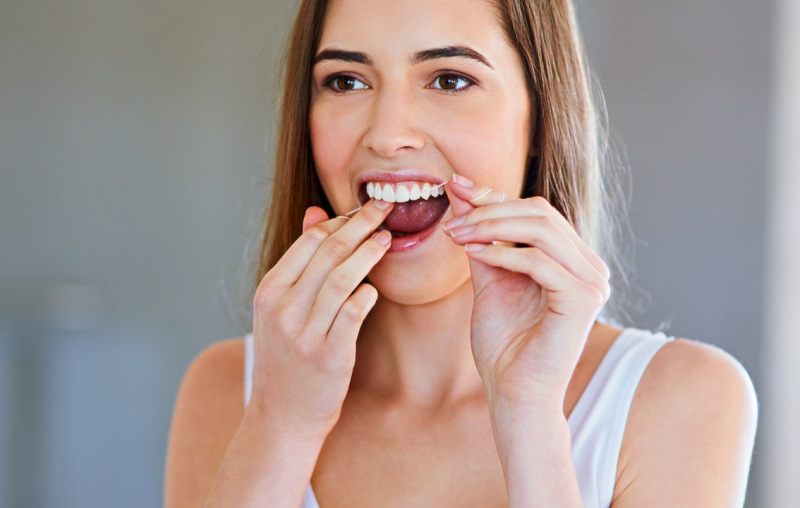

Only about one in three adults flosses every day, despite it being one of the simplest habits dentists consistently recommend. Flossing daily does more than just clean the spaces a toothbrush can’t reach — it plays a role in everything from fresher breath to gum health that extends well beyond the mouth.
Quick Summary: Flossing daily removes plaque and food particles brushing alone misses, which helps prevent cavities, gum disease, and bad breath. It’s also linked to broader health benefits, though it’s worth understanding the difference between a habit that’s associated with better health and one proven to directly cause it.
This guide covers the five most meaningful reasons to floss daily, what the research actually shows, and how to make it a habit that sticks.
Editor’s Note: The habit that finally made flossing stick for us wasn’t a reminder app or a New Year’s resolution — it was simply keeping the floss visibly next to the toothbrush rather than in a drawer. Removing that one extra step of having to go find it made the difference between “I’ll do it later” and actually doing it.
Why Brushing Alone Isn’t Enough
Brushing removes roughly 40 to 60% of plaque from tooth surfaces, but it can’t reach the tight spaces between teeth or just below the gum line. Those spaces become a breeding ground for bacteria that feed on leftover food particles, forming a sticky, colorless film called plaque — which is exactly what flossing daily is designed to disrupt.
5 Health and Beauty Reasons to Floss Daily
1. It Prevents Cavities Between Teeth
Plaque buildup between teeth produces acids that erode enamel, setting the stage for tooth decay in exactly the spots a toothbrush struggles to clean. Daily flossing disrupts that buildup before it has a chance to cause lasting damage.
2. It Supports Healthier, Less Inflamed Gums
People who floss regularly tend to show lower levels of gum bleeding and inflammation. Removing plaque along the gum line is also one of the few ways to help reverse early-stage gum disease, known as gingivitis, before it progresses further.
3. It Genuinely Improves Breath
Trapped food particles and the bacteria that feed on them are a major contributor to bad breath. Flossing reaches the spaces where brushing and mouthwash alone often fall short, making it one of the most direct ways to address breath at its source rather than just masking it.
4. It May Support Whole-Body Health
Oral bacteria from inflamed, unhealthy gums can enter the bloodstream and travel throughout the body, and gum disease has been associated with conditions including cardiovascular disease and stroke risk. It’s worth being precise about what the research shows here: this is a documented association, not confirmed proof that flossing alone prevents these conditions. Still, reducing chronic gum inflammation is a reasonable, low-risk habit that may support broader health alongside everything else you’re already doing for it.
5. It Protects the Investment You’ve Made in Your Smile
Flossing is especially important after dental work like fillings, crowns, or root canals, since these treated areas can be more susceptible to plaque buildup. Keeping up the habit helps protect both your natural teeth and any dental work you’ve invested in.
Editor’s Note: You may come across claims that flossing adds several years to your lifespan. The honest framing is that flossing is associated with better health outcomes — people who floss consistently also tend to engage in other health-supportive habits, which makes it difficult to isolate flossing as the sole cause. That doesn’t make the habit less worthwhile; it just means the benefit is best understood as “supports overall health” rather than a guaranteed, isolated effect.
How to Floss Properly — Step by Step
Step 1 — Cut 18 to 24 inches of floss. This gives you enough length to use a clean section for each tooth rather than reusing the same stretch throughout.
Step 2 — Wind the floss around both middle fingers. Leave a couple of inches taut between your thumbs and index fingers to work with.
Step 3 — Gently glide the floss between teeth. Use a soft back-and-forth motion rather than snapping the floss down, which can irritate or cut the gums.
Step 4 — Curve the floss against each tooth. Forming a slight C-shape against the side of each tooth, rather than just sliding straight down, removes more plaque along the curve of the tooth surface.
Step 5 — Use a fresh section for each gap. Unwinding a clean section of floss as you move between teeth prevents redistributing bacteria from one space to the next.
Choosing the Right Flossing Tool
- Waxed floss: Slides more easily between tightly spaced teeth
- Dental tape: A broader, flatter option that some people find more comfortable for larger gaps
- Floss picks: Convenient for travel or for anyone who finds traditional floss harder to maneuver
- Water flossers: Use pressurized water to clean between teeth and around dental appliances like braces, bridges, or implants
Who Should Pay Extra Attention to Daily Flossing
Best for: anyone building a basic daily oral care routine, people with braces, bridges, or dental implants where extra cleaning matters, those wanting fresher breath alongside their broader Teeth Whitening routine, and anyone who’s noticed bleeding or sensitive gums.
Less ideal for: those with significant dexterity challenges, who may find a floss pick or water flosser more practical than traditional string floss, and anyone with active, severe gum disease, who should see a dentist for a proper evaluation before relying on flossing alone.
If bleeding gums have made you hesitant to floss, that’s often a sign of early gum inflammation that consistent, gentle flossing can actually help improve over the following weeks — though persistent bleeding is still worth mentioning at your next dental visit.
Frequently Asked Questions About Flossing Daily
What’s the best time of day to floss?
Most dentists recommend flossing once daily, often before bed, to remove the day’s buildup of plaque and food particles before sleep.
Why do my gums bleed when I floss?
Bleeding is often a sign of gum inflammation from infrequent flossing rather than a reason to stop. With consistent, gentle flossing, bleeding typically decreases within a couple of weeks as gum health improves.
Should I floss before or after brushing?
Flossing before brushing can help loosen debris and plaque, allowing your toothbrush to clean more effectively afterward, though either order is better than skipping flossing altogether.
Are water flossers as effective as traditional floss?
Water flossers can be a helpful alternative, particularly for people with braces, bridges, or dexterity challenges, though traditional floss remains highly effective for most people when used with proper technique.
Final Thoughts: A Small Habit With Real Impact
Flossing daily takes less time than scrolling through a few notifications, yet it addresses exactly what brushing alone can’t reach. Whether your priority is preventing cavities, supporting gum health, or simply keeping your breath fresh, it’s a habit with genuine, well-documented dental benefits — building it into your routine consistently matters more than any single technique or tool.
Save this guide, keep your floss somewhere visible, and explore more wellness tips at egella.com