

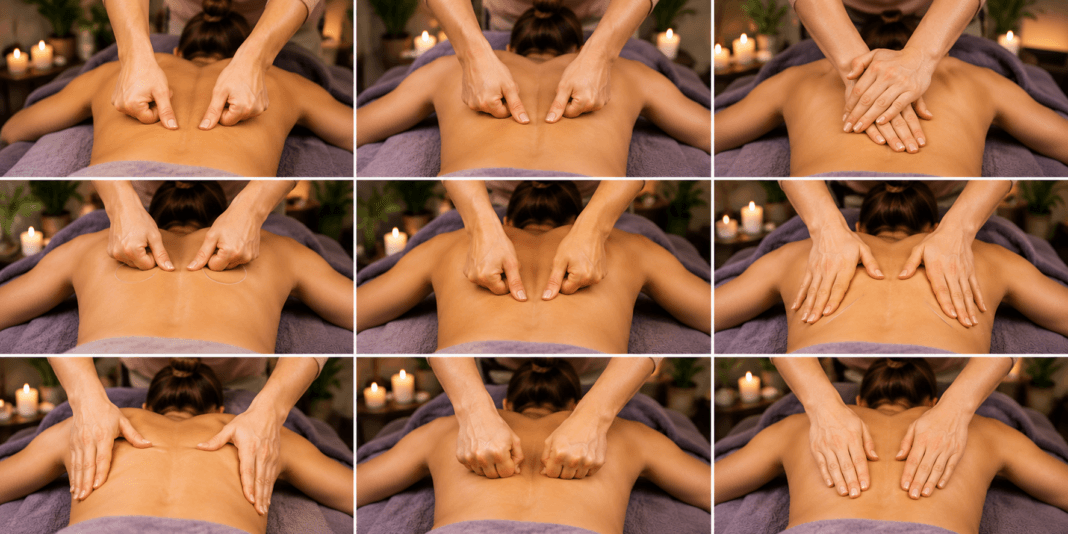
Lower back pain is one of the most common physical complaints worldwide. Whether it’s caused by long hours of sitting, poor posture, muscle fatigue, or everyday stress, tension in the lumbar region can affect your comfort, mobility, and overall well-being.
Fortunately, simple massage techniques can help release tight muscles, improve circulation, and promote relaxation. In this guide, we’ll explore 9 beginner-friendly lower back massage techniques that can be performed by massage therapists, caregivers, wellness practitioners, or individuals learning basic bodywork skills.
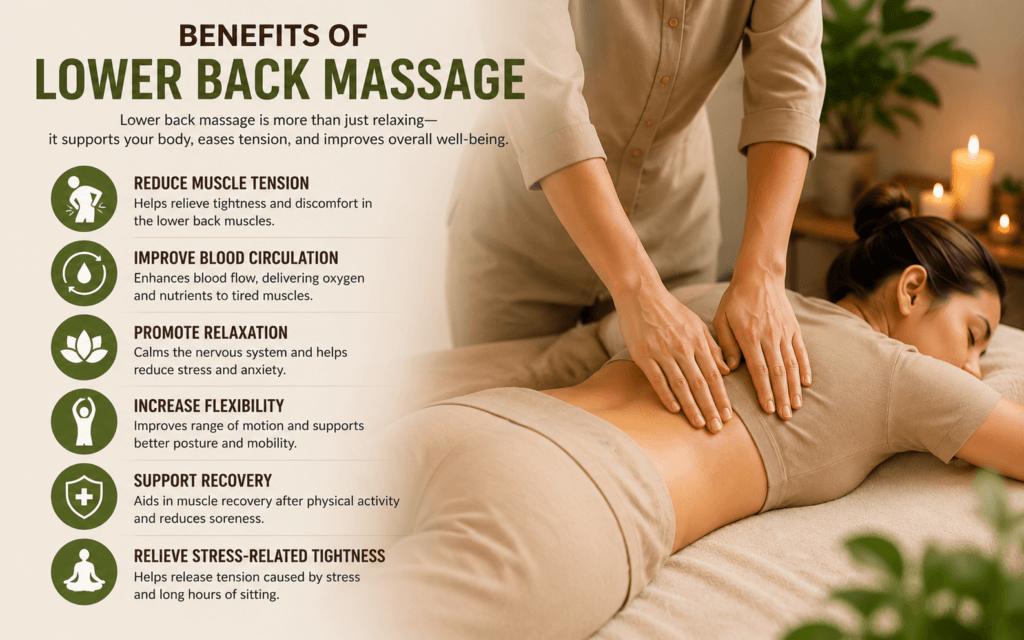
Benefits of Lower Back Massage
Before learning the techniques, it’s important to understand why lower back massage is so effective.
Massage May Help:
- Reduce muscle tension
- Improve blood circulation
- Promote relaxation
- Increase flexibility
- Support recovery after physical activity
- Relieve stress-related tightness
Note: Massage is not a substitute for professional medical treatment. Consult a healthcare provider if you experience severe or chronic back pain.
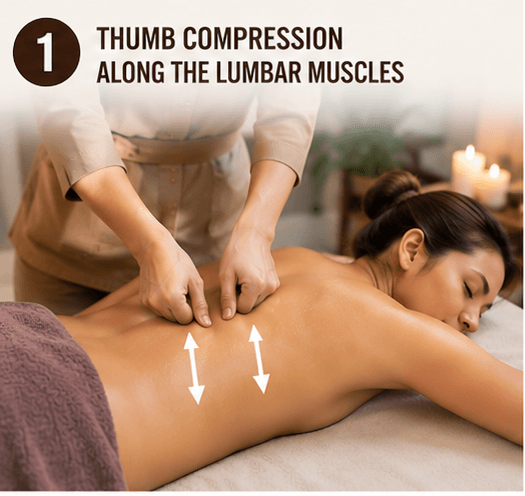
Technique 1: Thumb Compression Along the Lumbar Muscles
This technique uses controlled thumb pressure along both sides of the spine.
How to Perform It
- Place both thumbs beside the lumbar spine.
- Apply gentle, steady pressure.
- Move gradually upward and downward along the muscle line.
- Avoid pressing directly on the spinal column.
Benefits
- Warms up tissues
- Improves circulation
- Helps identify tight areas
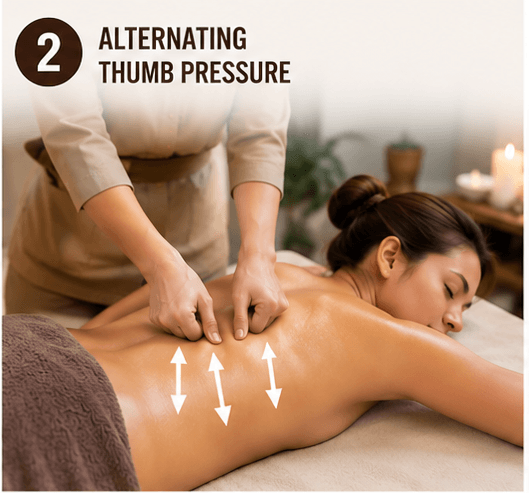
Technique 2: Alternating Thumb Pressure
Using alternating thumb movements creates a rhythmic massage pattern.
How to Perform It
- Position both thumbs near the center of the lower back.
- Apply pressure alternately with each thumb.
- Work outward toward the sides of the back.
Benefits
- Encourages muscle relaxation
- Improves tissue mobility
- Creates a soothing massage rhythm
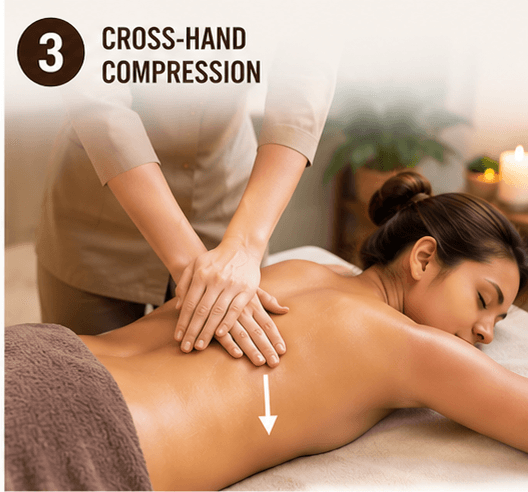
Technique 3: Cross-Hand Compression
This technique uses both hands working together for deeper pressure distribution.
How to Perform It
- Place one hand over the other.
- Apply gentle downward pressure.
- Move slowly across the lumbar muscles.
Benefits
- Targets larger muscle groups
- Provides deeper pressure without excessive force
- Helps release stubborn tension
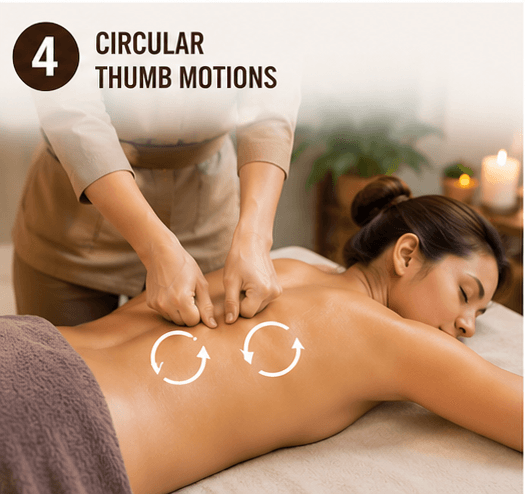
Technique 4: Circular Thumb Motions
Small circular movements can effectively loosen tight muscle fibers.
How to Perform It
- Use the pads of your thumbs.
- Make slow circular motions.
- Focus on areas that feel tight or tender.
Benefits
- Breaks up localized tension
- Encourages blood flow
- Improves muscle flexibility
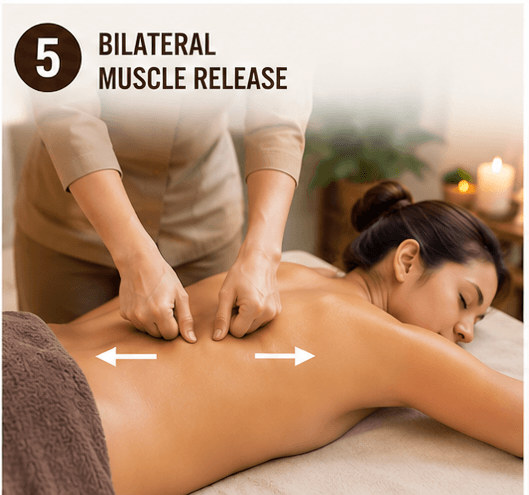
Technique 5: Bilateral Muscle Release
This technique works both sides of the lower back simultaneously.
How to Perform It
- Place both thumbs on either side of the lumbar region.
- Apply equal pressure.
- Move outward in slow strokes.
Benefits
- Creates muscle balance
- Improves relaxation
- Reduces overall tension
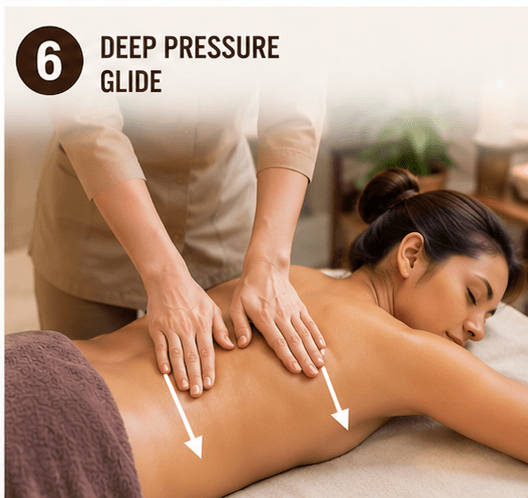
Technique 6: Deep Pressure Glide
A slow gliding motion helps stretch soft tissues.
How to Perform It
- Start near the center of the lower back.
- Apply comfortable pressure.
- Glide outward toward the hips.
Benefits
- Lengthens muscle fibers
- Improves mobility
- Enhances circulation
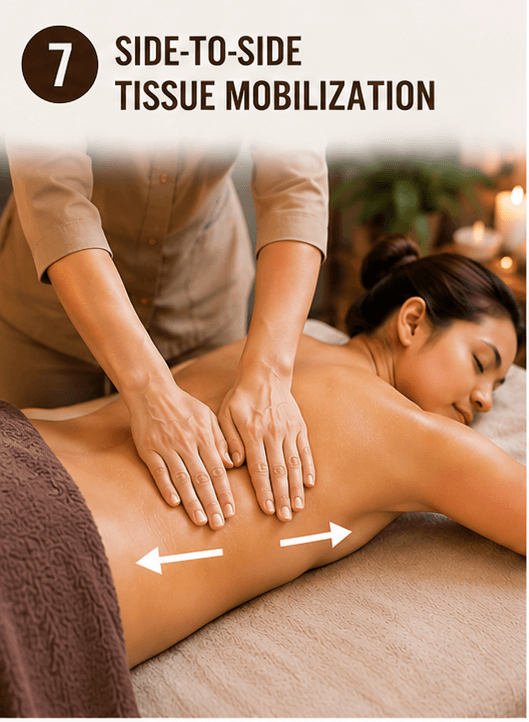
Technique 7: Side-to-Side Tissue Mobilization
This movement gently mobilizes soft tissue structures.
How to Perform It
- Place your hands on both sides of the lower back.
- Move tissue side-to-side using controlled pressure.
- Keep movements slow and smooth.
Benefits
- Increases tissue flexibility
- Reduces stiffness
- Promotes relaxation
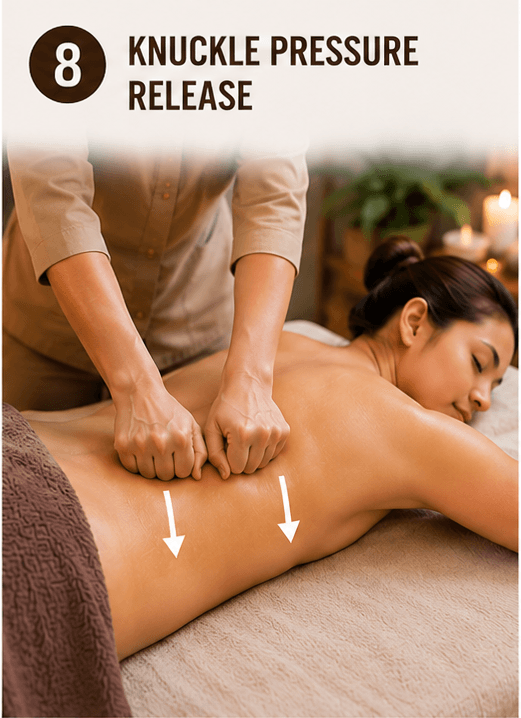
Technique 8: Knuckle Pressure Release
Knuckles can be used carefully to access deeper muscle layers.
How to Perform It
- Form a relaxed fist.
- Use the flat portion of the knuckles.
- Apply gentle pressure along tense areas.
Benefits
- Reaches deeper muscle tissue
- Helps release trigger points
- Relieves chronic tightness
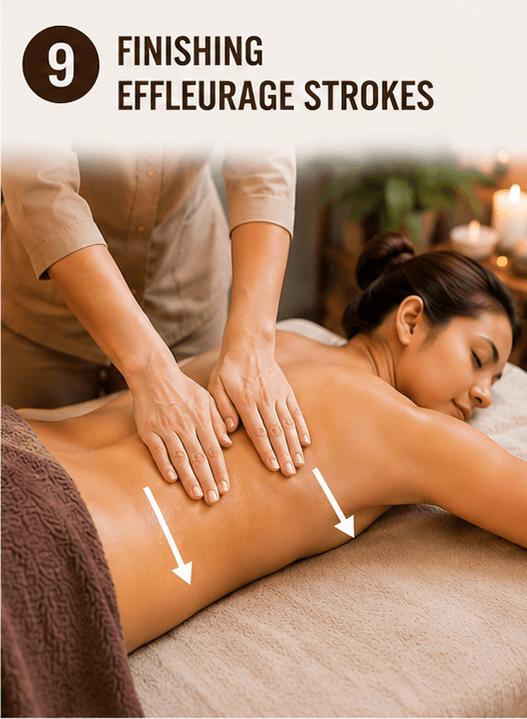
Technique 9: Finishing Effleurage Strokes
Every massage session should end with calming finishing strokes.
How to Perform It
- Use open palms.
- Glide smoothly across the lower back.
- Gradually reduce pressure.
Benefits
- Encourages relaxation
- Helps the body transition after massage
- Creates a soothing finish
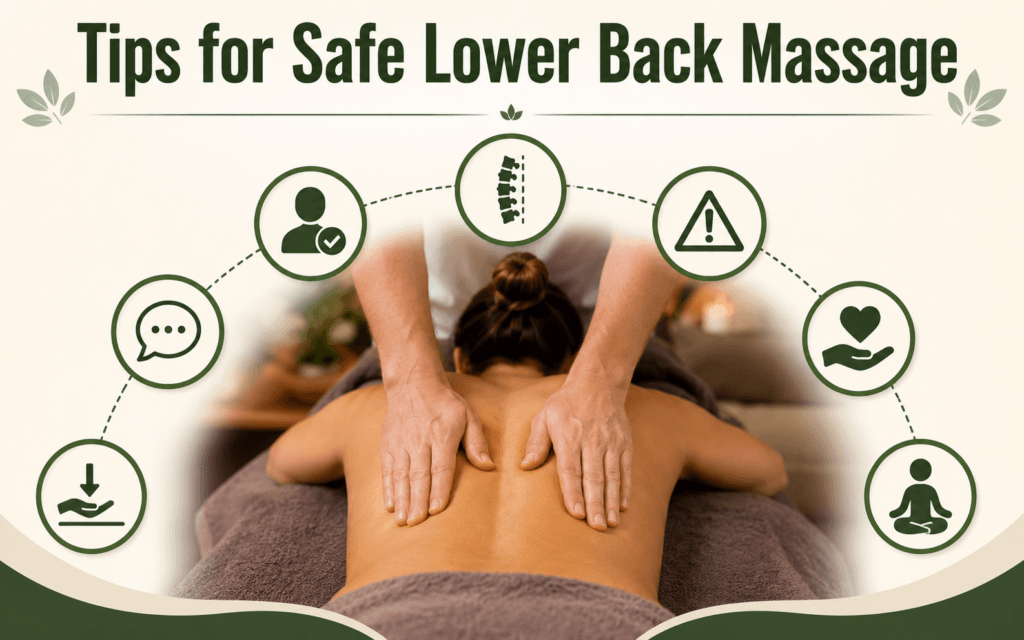
Tips for Safe Lower Back Massage
For the best results:
- Use moderate pressure
- Communicate with the person receiving the massage
- Avoid direct pressure on the spine
- Stop if pain increases
- Maintain proper body mechanics
Remember that massage should feel comfortable and relaxing, not painful.
Final Thoughts
Learning beginner lower back massage techniques is an excellent way to support relaxation, improve comfort, and reduce everyday muscle tension. These nine techniques provide a simple foundation for anyone interested in basic massage therapy practices.
When performed correctly, lower back massage can become a valuable part of a healthy wellness routine. Practice slowly, focus on proper technique, and always prioritize comfort and safety.
Looking for more wellness guides, self-care tips, and massage tutorials? Explore more expert articles at Egella.com.