

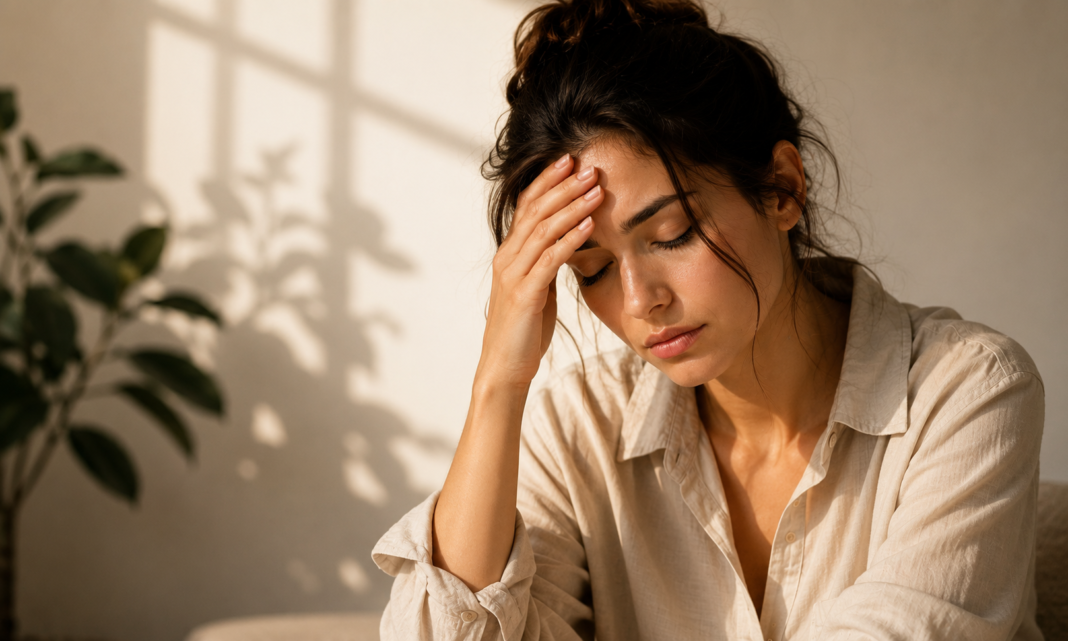
Part of the Egella Desk Recovery Series — understanding what sustained stress does to the body, and what actually helps.
Medical Disclaimer: This article is for educational purposes only and is not intended to diagnose, treat, cure, or prevent any disease. If you experience persistent or worsening symptoms — including significant hair loss, severe sleep disturbances, unexplained hormonal changes, or concerning skin conditions — consult a qualified healthcare professional.
The breakout you can’t clear. The hair you keep finding everywhere. The exhaustion that sleep doesn’t fix. These aren’t three separate problems — they’re often one problem: chronic stress working through your body in every direction at once. Understanding the connection between them is the most useful thing you can do before reaching for another product, supplement, or sleep aid.
Quick Summary: Chronic stress keeps cortisol elevated for extended periods, disrupting multiple body systems simultaneously. High cortisol may weaken the skin barrier, increase hair shedding, interfere with sleep quality, and affect hormones involved in metabolism, reproduction, and energy regulation. The symptoms often appear unrelated — but they share the same underlying cause. Most important insight: no skincare product or supplement works optimally on a body running chronic stress. The cortisol comes first.
This guide covers what chronic stress actually is, how cortisol drives visible changes in the skin, hair, sleep, and hormones, the 10 early warning signs most people miss, and the practical recovery habits that support the body between stressful events.
Editor’s Note — Evelyn Parker: The most revealing thing I’ve noticed researching stress physiology is how many people treat each symptom separately — a new serum for the skin, a supplement for the hair, a sleep aid for the insomnia — without ever addressing the cortisol driving all three. The symptoms look unrelated on the surface. They rarely are. This guide is about understanding that connection before reaching for another product.
What Is Chronic Stress?
Stress itself isn’t the problem. Your stress response is designed to protect you — when the brain detects a challenge or threat, it releases hormones that prepare your body to react quickly. Your heart beats faster, blood pressure rises, and energy becomes available to your muscles. Once the situation passes, hormone levels gradually return to normal.
Chronic stress develops when this recovery process never fully happens. Instead of occasional bursts of stress followed by recovery, your body remains in a prolonged state of physiological activation. Over time, this ongoing hormonal imbalance influences nearly every organ system — including your skin, scalp, digestive system, immune function, and sleep cycle.
How Your Body Responds to Chronic Stress
Your body’s stress response begins in the brain. When the brain perceives physical or emotional stress, it activates the hypothalamic-pituitary-adrenal (HPA) axis — a communication network connecting the brain and adrenal glands. This system signals the adrenal glands to release cortisol, the body’s primary stress hormone.
In short-term situations, cortisol is beneficial. It regulates energy production, supports blood pressure, and allows your body to respond efficiently to immediate challenges. Problems arise when cortisol remains elevated for weeks or months — and that’s when the visible effects begin to accumulate.
Why Cortisol Matters More Than Most People Realise
Cortisol influences far more than mood. Nearly every major body system responds to changes in cortisol levels, which is why chronic stress can create symptoms that appear completely unrelated at first. Research suggests prolonged cortisol elevation may contribute to:
- Reduced collagen production in the skin
- Increased skin sensitivity and barrier disruption
- Delayed wound and blemish healing
- Higher levels of systemic inflammation
- Disrupted sleep quality and timing
- Increased hair shedding
- Changes in appetite and metabolism
- Hormonal fluctuations affecting multiple systems
These effects rarely appear overnight. They develop gradually, making them easy to overlook until multiple symptoms begin occurring together.
10 Early Warning Signs of Chronic Stress
Chronic stress doesn’t always announce itself with obvious emotional symptoms. Sometimes the body notices long before the mind does:
- ✔ Persistent fatigue despite adequate sleep — you rest but don’t recover
- ✔ More frequent acne breakouts or skin that’s suddenly harder to manage
- ✔ Dry, irritated, or unusually sensitive skin without a clear cause
- ✔ Noticeable hair shedding during washing or brushing
- ✔ Difficulty falling asleep or staying asleep
- ✔ Frequent headaches or muscle tension that doesn’t resolve
- ✔ Digestive discomfort that comes and goes
- ✔ Feeling overwhelmed by tasks that once felt manageable
- ✔ Cravings for sugary or salty foods that feel difficult to ignore
- ✔ Waking between 2–4am and struggling to return to sleep
Experiencing one or two of these occasionally is normal. If several persist for weeks or months together, chronic stress is likely contributing — and addressing it directly will do more than treating each symptom individually.
How Chronic Stress Affects Your Skin
Your skin is often one of the first places chronic stress becomes visible. Because the skin communicates closely with your nervous and immune systems, elevated cortisol doesn’t simply affect how your skin looks — it changes how it behaves.
1. More Frequent Breakouts
Chronic stress increases cortisol, which stimulates sebaceous glands to produce more oil. Excess oil combined with inflammation creates an environment where acne becomes more likely. Stress doesn’t directly cause acne in everyone, but it consistently makes existing acne worse and slows recovery between breakouts. This is also why the same skincare routine that worked previously may suddenly seem less effective during stressful periods — the skin’s behaviour has changed, not the products.
2. A Weakened Skin Barrier
Healthy skin depends on a strong protective barrier that locks in moisture while keeping irritants out. Long-term stress may weaken this barrier, increasing transepidermal water loss (TEWL) and leaving skin feeling dry, tight, or unusually reactive. As the barrier becomes compromised, even products you’ve used comfortably for years may begin causing irritation. For how to identify and address barrier damage specifically, our skin barrier repair guide covers the evidence-based approach in full.
Editor’s Note — Evelyn Parker: If your skincare routine suddenly seems ineffective, don’t immediately assume your products are the problem. Chronic stress changes how the skin responds — even when nothing else in the routine has changed. The barrier is the first place to look before switching formulas.
3. Slower Collagen Production
Collagen helps keep skin firm, resilient, and smooth. Research suggests prolonged cortisol exposure may reduce collagen synthesis while increasing processes associated with collagen breakdown. Over time this may contribute to fine lines appearing earlier than expected, reduced skin elasticity, a dull complexion, and slower recovery after skin irritation. These changes develop gradually rather than overnight, making them easy to attribute solely to age when stress is the more immediate driver.
4. Inflammatory Skin Conditions Flare More Often
Chronic stress doesn’t create new skin conditions, but it makes existing ones significantly harder to manage. Eczema, rosacea, psoriasis, and generally sensitive skin all tend to flare during periods of prolonged emotional stress. Scientists believe this relationship involves communication between stress hormones, immune cells, and inflammatory pathways — the same mechanisms that make barrier repair so important during stressful periods.
5. Wounds and Blemishes Heal More Slowly
Healing requires a carefully balanced immune response. Chronic stress interferes with this process, slowing the repair of minor wounds, blemishes, and post-acne marks. If a small breakout seems to linger for weeks during a stressful period, elevated cortisol is likely part of the reason.
How Chronic Stress Affects Your Hair
Hair follicles are surprisingly sensitive to both physical and emotional stress. Although hair doesn’t usually respond immediately, prolonged stress can interrupt the normal hair growth cycle, leading to noticeable shedding several weeks or even months after the stressful period itself.
1. Increased Shedding — Telogen Effluvium
The most common stress-related hair concern is telogen effluvium. Instead of remaining in the active growth phase, a larger number of hair follicles prematurely enter the resting phase. Around two to three months later, increased shedding becomes noticeable — often in the shower, on the hairbrush, or on the pillow. Many people fail to connect it to a stressful period that occurred weeks earlier because the timing gap obscures the relationship.
2. Hair May Feel Thinner Over Time
Persistent stress doesn’t necessarily cause permanent hair loss, but repeated cycles of stress-related shedding may reduce overall hair density. When new growth struggles to keep pace with ongoing shedding, hair can begin to appear thinner — particularly around the temples and the part line. Understanding your hair porosity and adjusting your routine during recovery periods can help — our hair porosity guide explains how stress affects absorption and retention differently depending on your hair type.
3. Scalp Sensitivity Increases
Stress may also influence scalp health directly. Some people experience increased oiliness; others develop dryness, itching, or greater sensitivity to hair products. Changes in the scalp environment can make existing conditions such as dandruff or seborrheic dermatitis feel more noticeable during stressful periods.
4. Hair Quality Changes Without Dramatic Shedding
Even without significant shedding, chronic stress may change how hair looks and feels — less shine, increased breakage, drier texture, reduced manageability. These changes often result from a combination of hormonal shifts, disrupted sleep, nutritional changes, and chronic inflammation rather than stress alone.
How Chronic Stress Affects Your Sleep
Sleep is one of the first systems disrupted by chronic stress — and disrupted sleep then amplifies every other stress effect, creating one of the most frustrating cycles the body produces.
1. Cortisol and Melatonin Fall Out of Balance
Under normal circumstances, cortisol is highest in the morning to support waking and gradually declines throughout the day. Melatonin follows the opposite pattern, increasing in the evening to prepare the body for sleep. Chronic stress disrupts this rhythm. When cortisol remains elevated late into the evening, melatonin production may be delayed — making it harder to fall asleep naturally even when you’re genuinely tired.
2. Waking During the Night
Falling asleep isn’t always the problem. Many people experiencing chronic stress fall asleep reasonably easily but wake between 2–4am and struggle to return to sleep. Prolonged stress can keep the nervous system unusually alert during hours when the body should be in deep recovery. Our bedtime stretches guide covers techniques specifically designed to support nervous system downregulation before sleep.
3. Poor Sleep Creates More Stress
The most frustrating aspect of chronic stress and sleep: they form a self-reinforcing cycle. Stress reduces sleep quality; poor sleep increases cortisol and emotional sensitivity the following day. Over time this feedback loop contributes to fatigue, reduced concentration, irritability, and slower physical recovery — including slower skin and hair recovery.
Editor’s Note — Evelyn Parker: Many people try to solve sleep problems with a better mattress or a stronger supplement. Sometimes the missing piece isn’t in the bedroom — it’s managing the stress the body has been carrying throughout the day. The sleep interventions that work best are the ones that address cortisol rhythm, not just the moment of trying to fall asleep.
How Chronic Stress Affects Your Hormones
Hormones rarely work in isolation. Because cortisol communicates with multiple endocrine glands, prolonged stress can influence hormones involved in metabolism, appetite, reproduction, thyroid function, and blood sugar regulation. The longer stress persists, the more noticeable these changes become.
1. Appetite and Weight Changes
Many people notice changes in eating habits during stressful periods — some lose appetite entirely while others experience stronger cravings for sugary or high-calorie foods. Elevated cortisol may increase hunger signals while encouraging the body to store more energy, particularly around the abdomen. Combined with poor sleep, this makes maintaining consistent weight more challenging during high-stress periods.
2. Female Hormone Balance
Chronic stress may influence communication between the brain and reproductive hormones. For some people, prolonged stress is associated with changes in menstrual cycle timing, worsening PMS symptoms, or temporary irregular periods. Stress alone isn’t the only possible cause, but it can contribute to hormonal imbalance when combined with other lifestyle factors.
3. Blood Sugar Regulation
Cortisol helps ensure the body has enough energy during stressful situations by increasing glucose availability. When cortisol remains elevated for long periods, blood sugar regulation may become less efficient — contributing to energy crashes, increased hunger, and greater fluctuations in daily energy levels.
4. Thyroid Function
Long-term stress doesn’t directly cause thyroid disease, but chronic activation of the stress response may influence how thyroid hormones are produced, converted, and utilised. Because symptoms such as fatigue, dry skin, and hair changes overlap with thyroid disorders, persistent symptoms should always be discussed with a qualified healthcare professional rather than attributed to stress alone.
How Stress Connects Everything
| Body System | Possible Effects of Chronic Stress |
|---|---|
| Skin | Dryness, acne, sensitivity, barrier disruption, slower healing |
| Hair | Increased shedding, thinning, scalp irritation, texture changes |
| Sleep | Difficulty falling asleep, nighttime waking, non-restorative sleep |
| Hormones | Appetite changes, menstrual irregularity, cortisol dysregulation |
| Mind | Brain fog, irritability, reduced concentration, emotional reactivity |
How to Help Your Body Recover from Chronic Stress
You can’t eliminate every source of stress. But you can support your body’s ability to recover between stressful events — and small, consistent habits have greater long-term impact than dramatic lifestyle changes.
1. Prioritise Consistent Sleep
Aim to wake up and go to bed at roughly the same time each day, including weekends. Keeping a regular sleep schedule reinforces your natural cortisol and melatonin rhythms. For practical techniques that support the transition to sleep, our bedtime stretches guide covers 5 moves specifically designed for this purpose.
2. Move Your Body — But Match Intensity to Your Energy
Regular physical activity supports mood, cardiovascular health, and healthy stress regulation. Walking, yoga, cycling, swimming, and moderate strength training are all effective. If you’re already exhausted, gentle movement is more beneficial than intense exercise — pushing through fatigue with high-intensity training can further elevate cortisol rather than reducing it.
3. Eat to Support Recovery
Balanced meals rich in protein, fibre, healthy fats, and a variety of vegetables provide the nutrients needed to repair tissues and regulate energy. Rather than focusing on restrictive approaches, aim for consistency — regular meals that prevent blood sugar crashes reduce one of the most common cortisol triggers.
4. Build Small Relaxation Rituals
Recovery doesn’t require long meditation sessions. Even five to ten minutes of intentional relaxation can help shift the nervous system toward a calmer state. Effective options include deep breathing, gentle stretching, progressive muscle relaxation, and targeted massage techniques. Our shoulder massage guide and hand massage guide both cover techniques you can do yourself without equipment.
5. Protect Skin and Hair During Stressful Periods
Because chronic stress temporarily increases skin sensitivity and hair shedding, avoid introducing multiple new beauty products simultaneously. Focus on simple, barrier-supportive skincare and gentle hair care until the body has time to recover. Adding actives during a compromised period typically produces more irritation than results.
Your Daily Stress Recovery Checklist
| Habit | Daily Goal |
|---|---|
| Sleep | Maintain a consistent bedtime and wake time |
| Movement | 30 minutes of enjoyable physical activity |
| Nutrition | Balanced meals with adequate protein and fibre |
| Hydration | Water regularly throughout the day — not just when thirsty |
| Stress relief | At least 10 minutes of intentional relaxation |
| Digital break | Reduce screen time in the hour before bed |
The Egella Take
🌿 Best for: anyone experiencing unexplained skin, hair, or sleep changes simultaneously — particularly if they’ve appeared together rather than in isolation
🏆 The connection: cortisol is almost always the common thread — understanding that connection before adding more products or supplements is the highest-leverage insight in this guide
⚠️ The honest truth: no skincare product, hair treatment, or sleep supplement works optimally on a body running chronic stress. The cortisol comes first. The symptoms follow from there.
Beauty begins with health. Healthy skin, resilient hair, restorative sleep, and balanced hormones are deeply connected — treating each concern separately without addressing the underlying stress response is why so many routines stop working during difficult periods. Recognising the early signs of chronic stress is one of the most valuable things you can do, not only for how you look, but for how you feel long-term.
Frequently Asked Questions About Chronic Stress
Can chronic stress really cause hair loss?
Yes. Prolonged stress may contribute to increased hair shedding through a condition called telogen effluvium. Hair loss has many causes, so persistent or severe shedding should be evaluated by a healthcare professional.
Can chronic stress make skin age faster?
Long-term stress is associated with increased inflammation and reduced collagen production, both of which may contribute to visible signs of skin aging over time — including fine lines, reduced elasticity, and dullness.
How long does it take to recover from chronic stress?
Recovery varies depending on individual factors, duration of stress, overall health, and lifestyle habits. Some improvements may be noticeable within weeks; other changes take longer. Consistency with recovery habits matters more than intensity.
Can reducing stress improve sleep?
For many people, yes. Supporting healthy stress management alongside consistent sleep habits may improve both sleep quality and daytime energy. The cortisol-melatonin rhythm responds to sustained behaviour change over weeks rather than days.
Should I see a doctor?
If symptoms including persistent fatigue, significant hair loss, severe sleep disturbances, unexplained weight changes, or ongoing hormonal concerns continue despite lifestyle improvements, professional medical evaluation is important. Some of these symptoms overlap with thyroid disorders and other conditions that require specific diagnosis.
Scientific References
- American Psychological Association — Stress Effects on the Body
- National Institute of Mental Health (NIMH) — Coping with Stress
- National Institutes of Health (NIH) — Stress, Cortisol, and Health
- Harvard Health Publishing — Understanding the Stress Response
- American Academy of Dermatology — Stress and Skin Health
- Sleep Foundation — Stress and Sleep Quality
This article was reviewed by the Egella editorial team using current evidence on chronic stress, cortisol physiology, sleep science, dermatology, and lifestyle medicine. Last updated: June 2026.
Save this guide and explore more health and wellness guides at egella.com
Which symptom brought you here — skin, hair, sleep, or all three? Tell us in the comments.