

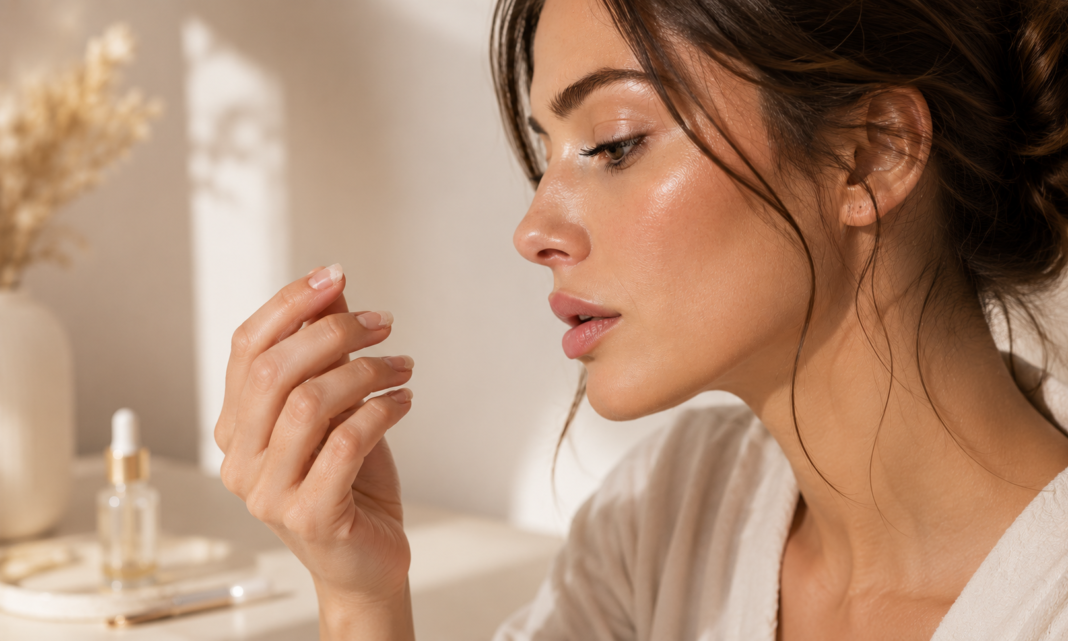
Part of the Egella Beauty Edit — the nail knowledge worth having before your next manicure.
Medical Disclaimer: This article is for educational purposes only and should not be considered medical advice, diagnosis, or treatment. If you experience persistent nail peeling, pain, discoloration, swelling, bleeding, or nail changes accompanied by other concerning symptoms, consult a board-certified dermatologist or qualified healthcare professional.
You take off your nail polish, look down, and notice it again. The tips are splitting into thin layers — one corner catches on your sweater, another peels away after washing dishes. Peeling nails are one of the most common nail complaints dermatologists see, and in almost every case they come down to the same thing: the nail plate is being damaged faster than it can grow back. Understanding which of the 12 causes below is happening to your nails is the only thing that actually fixes it.
Quick Summary: Peeling nails are most commonly caused by repeated water exposure, harsh cleaning products, acetone-based removers, aggressive gel removal, over-filing, or dry nails. Nutritional deficiencies and skin conditions can also contribute. The nail plate cannot fuse back once it has peeled — only new growth solves it. Most important single habit: cuticle oil applied daily, every day, without exception. This one change addresses more cases than any other intervention.
This guide covers the 12 most common causes of peeling nails, how to identify which one is affecting you, the natural habits that support stronger nail growth, a 30-day recovery plan, the nutrients that matter, and when peeling nails warrant a professional evaluation.
Editor’s Note — Victoria Sinclair: The most common mistake I see with peeling nails is reaching immediately for a nail hardener or strengthening treatment. Strengtheners are a protective shield — not a fix. The real work is identifying which of the 12 causes below is actually happening to your nails and stopping it. Cuticle oil and gloves while cleaning fix the majority of cases. Everything else follows from understanding the cause.
What Are Peeling Nails?
Peeling nails — clinically known as lamellar onychoschizia — occur when the outer layers of the nail plate separate from one another, causing the free edge to split into thin, fragile sheets. Rather than breaking cleanly, the nail begins to lift in layers. This leaves the tips feeling rough, uneven, and more likely to snag on clothing or hair.
Although peeling usually affects the ends of the nails, it may extend farther down the nail plate if the underlying damage continues. The free edge is most vulnerable because it has no protective tissue underneath — it’s exposed to friction, water, and repeated daily stress with nothing absorbing the impact.
Understanding Nail Structure
To understand why nails peel, it helps to understand how they’re built:
| Part | Function |
|---|---|
| Nail Plate | The visible hard surface — compact layers of keratin bonded together |
| Nail Matrix | The growth centre where new nail cells are produced |
| Nail Bed | The tissue underneath that supports the nail plate |
| Cuticle | Creates a protective seal against moisture loss and bacteria |
| Free Edge | The portion extending beyond the fingertip — most prone to peeling |
Your nails naturally contain multiple thin layers of keratin — the same structural protein that makes up your hair. These layers are designed to stay tightly bonded together. Repeated stress weakens those bonds over time, and the layers begin separating rather than remaining tightly connected. This is why peeling nails often worsen during winter, after frequent manicures, or in roles that involve repeated water contact.
Healthy Nails vs. Peeling Nails
| Healthy Nails | Peeling Nails |
|---|---|
| Smooth, even surface | Layered, rough edges |
| Even thickness throughout | Thin, fragile tips |
| Flexible without bending excessively | Crack or split easily |
| Minimal snagging on fabrics | Frequently catch on clothing and hair |
| Consistent growth to desired length | Break before reaching length |
12 Common Causes of Peeling Nails
Peeling nails rarely happen for just one reason. In most cases, several everyday habits work together to weaken the nail plate over time. Identifying which applies to you is the most important step.
1. Frequent Water Exposure
One of the most common — and most overlooked — causes of peeling nails. Although nails seem solid, they absorb moisture every time they’re submerged. As they repeatedly swell and dry, the keratin layers expand and contract, gradually weakening the bonds that hold them together. People who wash dishes, sanitise frequently, swim regularly, or work in healthcare and food service experience this most often.
Signs: Peeling mainly at the nail tips, soft nails after showering, more breakage during winter.
Fix: Wear gloves while cleaning, apply cuticle oil after washing hands, avoid soaking nails unnecessarily.
2. Dry Nails and Lack of Moisture
Healthy nails contain small amounts of natural moisture and lipids that keep keratin layers flexible. When nails become excessively dry, those protective layers lose elasticity and begin separating. Cold weather, indoor heating, frequent hand washing, and alcohol-based sanitisers all contribute to dehydration of the nail plate.
Signs: White peeling edges, rough nail surface, cuticles that crack easily.
Fix: Massage nail oil into nails and cuticles daily, use rich hand cream before bed, avoid prolonged hot water exposure.
3. Acetone-Based Nail Polish Removers
Pure acetone removes polish efficiently — but it also strips away natural oils from the nail plate. Occasional use is rarely a problem. Frequent acetone exposure without replacing lost moisture leaves nails brittle and increasingly prone to peeling.
Signs: White, dry appearance immediately after polish removal, nails feeling thinner after removing polish, edges splitting within days.
Fix: Choose acetone-free removers when possible, always moisturise after removal, give nails occasional polish-free breaks.
4. Gel, Acrylic, and Dip Powder Removal
The damage with nail enhancements almost always comes from removal — not the manicure itself. Peeling, scraping, or forcefully removing gel polish lifts away healthy layers of the nail plate alongside the product. Repeated cycles leave nails noticeably thinner and more fragile with each appointment.
Signs: Thin, flexible nails, visible surface peeling, sensitivity or tenderness after removal.
Fix: Never peel gel polish off, allow products to soak off completely, take breaks between enhancement appointments.
Editor’s Note — Victoria Sinclair: The single most damaging thing most people do to their nails is peel off gel polish when it starts lifting. Every time you do this, you’re removing a layer of actual nail plate along with the gel. After enough cycles, the nail becomes thin enough that it peels on its own — and people then blame the gel rather than the removal. If you can’t get to a salon for a proper soak-off, use a kit at home. Never peel.
5. Over-Filing the Nails
Aggressive filing removes more than just length — it thins the protective nail layers. Using coarse-grit files or filing back and forth repeatedly weakens the free edge and creates micro-splits that develop into visible peeling over time.
Signs: Very thin nail tips, splitting immediately after filing, uneven free edge.
Fix: Use a fine-grit glass file, always file in one direction only, avoid reshaping nails more than necessary.
6. Nutritional Deficiencies
Nails grow slowly — around 3 millimetres per month — meaning nutritional deficiencies may take several months to become visible. Low levels of iron, zinc, protein, and certain B vitamins have been associated with weaker, more brittle nails. Most peeling nails are caused by environmental stress rather than deficiencies, but persistent changes warrant discussion with a healthcare professional.
Signs: Slow nail growth, thin brittle nails, general fatigue alongside nail changes.
Fix: Eat protein-rich meals, include leafy greens and legumes, seek medical advice if deficiencies are suspected.
7. Harsh Cleaning Chemicals
Household cleaners, detergents, and solvents weaken both the nail plate and surrounding skin. Repeated exposure strips away protective oils, making peeling more likely. The solution is simpler than most people expect: gloves, worn consistently, protect nails better than most expensive treatments.
Fix: Wear protective gloves whenever cleaning, moisturise immediately afterward.
8. Repeated Nail Trauma
Using nails as tools seems harmless but accumulates damage. Opening cans, scraping labels, typing forcefully, or picking at surfaces repeatedly stresses the nail plate. Small injuries eventually manifest as peeling and splitting — particularly at the free edge where the stress concentrates.
9. Skin Conditions
Certain skin conditions — including eczema and psoriasis — can affect the nails alongside the skin. These conditions may alter nail growth, create roughness, or increase splitting. If nail changes occur alongside itchy skin, redness, or rashes, a dermatologist should evaluate the cause rather than treating the nail concern in isolation.
10. Ageing
Like skin and hair, nails naturally change with age. They tend to become drier and more brittle, making peeling increasingly common after middle age. Consistent moisturising becomes more important — not less — as nails mature, because the nail plate’s natural lipid content decreases over time.
11. Weather and Seasonal Changes
Cold winter air combined with indoor heating significantly reduces humidity levels. This combination dries both skin and nails, increasing peeling risk. Many people notice noticeably healthier nails during warmer, more humid months — not because of different products, but because the environment is less drying.
12. Underlying Medical Conditions
Occasionally, persistent peeling nails may be linked to thyroid disorders, chronic iron deficiency, or other health concerns. Most peeling nails are not caused by serious illness, but if changes involve multiple nails, continue worsening despite improved nail care, or occur alongside other symptoms, medical evaluation is appropriate.
How to Fix Peeling Nails Naturally
Healthy nails aren’t built quickly. The goal isn’t to repair the damaged portion of the nail — once the nail plate has peeled, it cannot fuse back together. The focus is on protecting existing nails from further damage while encouraging stronger, healthier new growth to replace them.
The 30-Day Nail Recovery Plan
| Week | Goal | What to Do |
|---|---|---|
| Week 1 | Protect | Stop peeling gel polish, avoid acetone, apply cuticle oil twice daily |
| Week 2 | Hydrate | Use hand cream after every wash, wear gloves while cleaning |
| Week 3 | Strengthen | Increase dietary protein and iron-rich foods, keep nails short |
| Week 4 | Maintain | Continue moisturising, gentle filing, avoid excessive manicures |
Daily Habits That Help Nails Grow Stronger
Use Cuticle Oil Every Day
If there is one habit that consistently makes a noticeable difference above all others, it’s cuticle oil applied daily. Well-moisturised nails remain more flexible, making them less likely to split or peel from everyday stress. Apply a small amount to both the cuticle and the nail plate every morning and evening — not just when nails feel dry.
Moisturise After Every Hand Wash
Frequent washing removes the natural oils that protect both skin and nails. A nourishing hand cream applied immediately afterward helps restore moisture to the nail plate before it has a chance to dry out and contract.
Keep Nails Slightly Shorter While Recovering
Long nails create additional leverage, making weakened nails significantly more likely to split. Keeping nails short for several weeks reduces the stress on damaged areas while healthier growth replaces them from the base.
Wear Gloves for Wet Chores
Cleaning products and repeated water exposure remain two of the biggest contributors to peeling nails. Simple rubber gloves worn consistently protect nails more effectively than most strengthening treatments — and cost a fraction of the price.
File Gently and in One Direction
Instead of aggressively reshaping nails every few days, use a fine-grit glass file and move in one direction only. This creates a smoother edge that is less likely to catch, snag, and split between appointments. Our guide to jelly nails covers the topcoat technique that also significantly reduces edge chipping.
Best Nutrients for Stronger Nails
| Nutrient | Why It Matters | Food Sources |
|---|---|---|
| Protein | Builds keratin — the structural material of nails | Eggs, chicken, fish, beans, lentils |
| Iron | Supports healthy nail growth and flexibility | Spinach, lentils, lean meat, fortified cereals |
| Biotin | May improve brittle nails in some individuals | Eggs, nuts, seeds, sweet potato |
| Zinc | Supports cell growth and nail plate integrity | Pumpkin seeds, seafood, chickpeas |
| Omega-3 | Supports nail flexibility and moisture retention | Salmon, walnuts, flaxseed, chia seeds |
Rather than focusing on a single supplement, a balanced eating pattern rich in protein, colourful vegetables, healthy fats, and whole foods provides the most consistent foundation for nail health over time.
Common Mistakes That Make Peeling Worse
- Peeling off gel polish — the single most damaging thing most people do
- Picking at chipped polish rather than removing it properly
- Using nails as tools for opening, scraping, or picking
- Filing aggressively back and forth rather than in one direction
- Skipping moisturiser after washing hands
- Wearing polish continuously for months without breaks
- Ignoring cuticle care — dry cuticles compromise the nail’s protective seal
- Overusing acetone removers without replacing lost moisture
Can Nail Strengtheners Help?
Some nail strengtheners temporarily reinforce weak nails by creating a protective coating over the nail plate. They can be useful during recovery — particularly to prevent further peeling while new growth comes through — but they don’t address the underlying cause. Think of them as a protective shield that buys time, not a permanent solution. Our butter yellow nails guide covers the sheer, lightweight nail finishes that work well during nail recovery without adding harsh chemistry.
Recovery Timeline
| Time | Expected Changes |
|---|---|
| 2 weeks | Less active peeling, improved hydration, tips feel smoother |
| 1 month | Healthier new growth visible near the cuticle |
| 2–3 months | Noticeably stronger nails with fewer splits |
| 4–6 months | Most fingernails have completely grown out with new, undamaged plate |
When to See a Healthcare Professional
Although peeling nails are most often related to routine habits, some situations warrant professional evaluation:
- Persistent peeling lasting several months despite improving nail care
- Changes affecting multiple nails simultaneously
- Pain, swelling, bleeding, or signs of infection
- Sudden changes in nail colour or shape
- Peeling accompanied by fatigue, unexplained weight changes, or other concerning symptoms
Peeling Nails Quick Reference
| Problem | Best First Step |
|---|---|
| Peeling after frequent hand washing | Apply cuticle oil and hand cream consistently after every wash |
| Peeling after gel removal | Allow nails to recover before another manicure — never peel |
| Dry, brittle nails | Increase daily hydration and reduce acetone exposure |
| Thin splitting edges | Keep nails short and file gently with a glass file in one direction |
| Persistent peeling for several months | Consider medical evaluation for underlying causes |
The Egella Take
💅 Best for: chronic nail peelers, gel manicure enthusiasts, frequent hand washers, anyone whose nails never seem to reach their desired length
🏆 The fix: cuticle oil daily + gloves while cleaning — these two changes alone address the majority of peeling nail cases
⚠️ The honest truth: damaged nail plate cannot fuse back together — only new growth solves it, and a complete fingernail takes 4–6 months to grow from matrix to free edge. Patience is the most underrated nail care tool.
Strong nails rarely come from expensive products alone. They come from consistency — protecting nails from unnecessary damage, keeping them hydrated, eating a balanced diet, and allowing enough time for healthy growth to replace what was damaged. Beautiful nails are the result of consistent care, not perfection.
Frequently Asked Questions About Peeling Nails
Can peeling nails heal on their own?
Yes — if the underlying cause is temporary. Peeling caused by water exposure, dry weather, or minor trauma often improves once the nail is protected and allowed to grow out. Since fingernails grow slowly, visible improvement usually takes several weeks minimum.
How long does recovery take?
Mild peeling may begin improving within two to four weeks with consistent nail care. A complete fingernail takes four to six months to grow from the matrix to the free edge, so full recovery requires patience rather than products.
Should I stop wearing nail polish?
Not necessarily. Traditional nail polish is generally less damaging than repeatedly removing gel or acrylic enhancements. Giving nails occasional polish-free breaks and avoiding aggressive removal techniques reduces peeling significantly.
Can biotin strengthen peeling nails?
Some studies suggest biotin supplements may help improve brittle nails in certain individuals. However, supplements are not appropriate for everyone — discuss persistent nail problems with a healthcare professional before starting any supplement.
Is nail peeling a sign of vitamin deficiency?
Sometimes, but not always. Most peeling nails are related to repeated environmental stress rather than nutritional deficiencies. Iron, zinc, protein, and B-vitamin deficiencies can contribute, but these are less common causes than water exposure and aggressive manicure habits.
Why do my nails peel only in winter?
Cold outdoor air combined with dry indoor heating reduces moisture levels significantly. Both skin and nails become more vulnerable to dehydration and splitting — the same nails that look fine in summer can peel persistently in winter without any change in routine.
Should I buff peeling nails?
Light buffing may temporarily smooth rough edges, but heavy buffing removes additional layers of the nail plate and typically worsens peeling. Gentle filing is preferable to buffing during recovery.
Healthy Nail Checklist
- ✅ Apply cuticle oil twice daily — morning and evening
- ✅ Moisturise hands after every wash
- ✅ Wear gloves while cleaning and doing dishes
- ✅ File gently in one direction with a fine-grit glass file
- ✅ Never peel off gel or acrylic polish
- ✅ Eat enough protein and iron-rich foods
- ✅ Give nails occasional polish-free breaks
- ✅ Keep nails short during recovery periods
Sources & References
- American Academy of Dermatology Association (AAD) — Healthy Nail Care Guidelines
- American Academy of Dermatology — Nail Disorders and Brittle Nails
- Journal of Cosmetic Dermatology — Nail Plate Structure and Hydration
- International Journal of Cosmetic Science — Keratin Biology and Nail Health
- Roberts DT — Disorders of the Nails
- DermNet — Brittle Nails Overview
This article was researched and written by the Egella editorial team using current dermatology guidance, cosmetic science literature, and evidence-based nail care recommendations. Last updated: June 2026.
Save this guide before your next manicure — and explore more nail guides at egella.com
Which of the 12 causes do you think is affecting your nails? Tell us in the comments.