

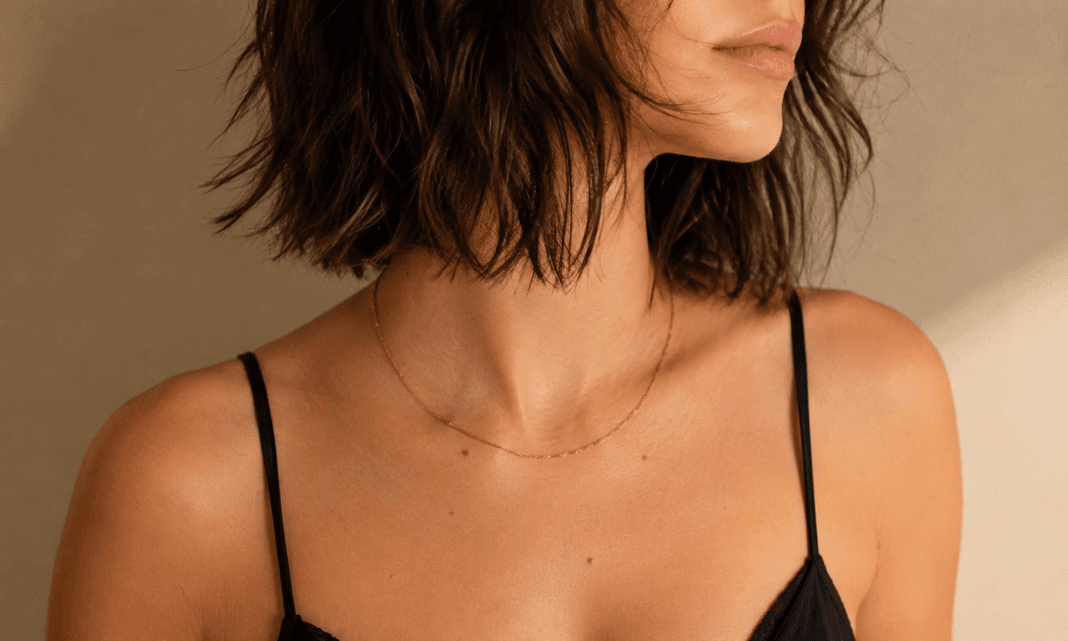
Part of the Egella Beauty Edit — the hair trends worth understanding before your next appointment.
The shaggy bob is having its best summer in years — and it’s not hard to understand why. It’s the cut that looks best slightly underdone, wears well in heat, grows out gracefully, and somehow manages to work across a wide range of hair textures and face shapes without requiring much effort from the person wearing it. Celebrity stylist Sam McKnight describes this summer’s direction as “luxury through restraint” — the shaggy bob is that idea made into a haircut.
Quick Summary: The shaggy bob is a chin-to-collarbone length bob with textured, choppy layers that create movement and volume rather than a sleek, structured finish. It’s the relaxed evolution of the precision bob — deliberately undone rather than polished, and designed to look better air-dried than heat-styled. Best for: wavy and textured hair, anyone wanting low-maintenance style with high visual impact.
This guide covers what makes the shaggy bob distinct, who it works for, how to style it with minimal effort, and what to ask your stylist to avoid ending up with something that doesn’t match the reference photo you brought in.
Editor’s Note — Sophia Bennett: The shaggy bob and the classic precision bob are technically the same length, but they’re completely different cuts — and the difference is entirely in the technique. A precision bob is cut blunt and straight. A shaggy bob is point-cut, razored, or texturized throughout to remove the weight that creates that clean line. The same stylist cutting both of them needs to approach the shaggy version differently at every step. Before your appointment, confirm that your stylist is comfortable with texturizing technique, not just bob length — that’s the distinction that determines whether you leave looking like a fashion editorial or a diagram.
What Makes a Bob “Shaggy”
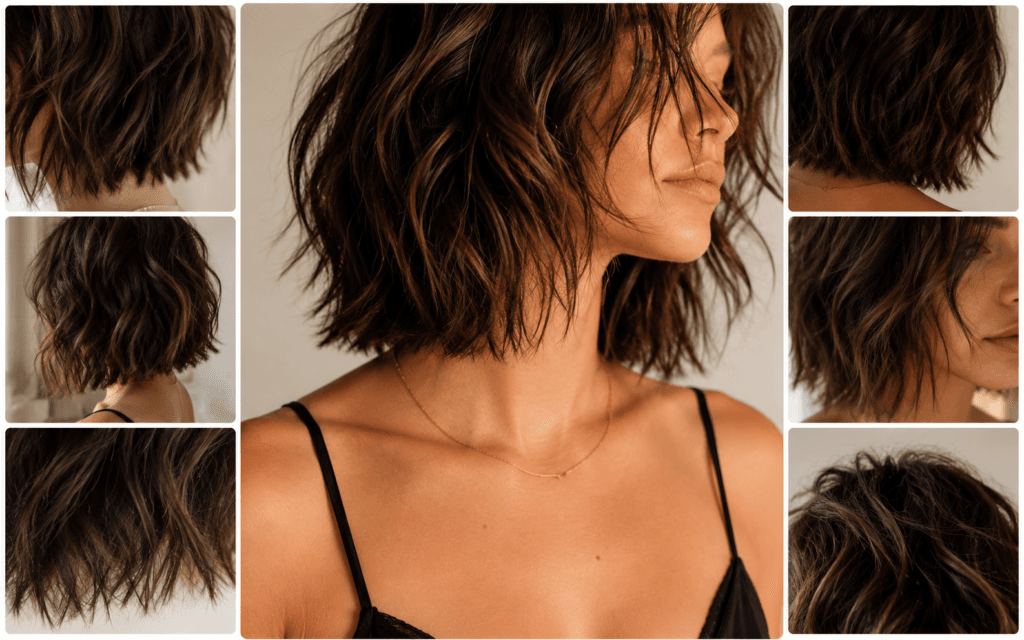
A shaggy bob is defined by its texture, not its length. What distinguishes it from a standard bob:
- Choppy, textured layers throughout rather than a single blunt line at the ends
- Point-cutting or razoring rather than blunt scissors — this removes weight from the ends and creates the tousled, undone finish
- Shorter layers throughout the interior that push the exterior layers outward and create volume
- Face-framing pieces that are cut slightly differently from the rest — often shorter, to create the specific framing effect
- An intentionally imperfect finish — a shaggy bob that looks too neat has been over-styled
The length typically falls somewhere between chin and collarbone, though the defining characteristic is the texture throughout rather than any specific measurement.
Why the Shaggy Bob Works in Summer
Summer creates specific demands that the shaggy bob is particularly well-suited to meet. The textured, layered structure dries quickly and naturally without requiring heat styling — in fact, most shaggy bobs look better when left to air-dry than when blow-dried smooth. The cut also handles humidity well: where a blunt bob can go limp or puff unevenly in humid weather, the intentional texture of a shaggy bob absorbs the humidity and usually looks more interesting rather than less.
The shorter length also means less time managing heavy, hot hair in summer heat — a practical advantage that has nothing to do with trend and everything to do with comfort.
Hair Textures That Suit the Shaggy Bob Best
Wavy Hair — The Ideal Match
Wavy hair and the shaggy bob are almost made for each other. The natural wave pattern enhances the textured layers, the cut defines the wave without weighing it down, and the air-dry result is exactly the effortless, movement-forward finish the cut is designed to produce. If you have wavy hair and have been considering a bob, this is the version to ask for.
Straight Hair — With the Right Technique
Straight hair can wear a shaggy bob beautifully, but it requires more intentional texturizing from the stylist to build in the movement that wavy hair provides naturally. Ask for more aggressive point-cutting and a texturizing spray in the styling routine to keep the ends from falling flat.
Curly Hair — With Specific Expertise
Curly hair and bobs have a complicated relationship because shrinkage means the cut needs to be significantly longer than it will appear when dry. For curly hair, the shaggy bob should be cut dry by a stylist with specific curly-cutting experience — wet cutting on curly hair produces unpredictable results at this length.
Fine Hair — A Good Match
The layered structure of a shaggy bob adds the appearance of volume to fine hair that straight, blunt cuts don’t. The shorter length also makes fine hair look denser than it does at longer lengths.
How to Style a Shaggy Bob
The Air-Dry Method (Most Days)
Apply a texturizing cream or salt spray to towel-dried hair, scrunch gently from the ends upward, and let dry without touching it. This produces the natural, slightly undone finish the cut is designed for. The key: resist the urge to run your fingers through it while it’s drying — this separates the sections and flattens the texture.
The Diffused Method (For More Definition)
A diffuser on low heat brings out movement and wave definition without creating the puffed, heat-damaged look that a regular blow-dryer produces at this length. Scrunch from underneath while diffusing rather than pressing down from above.
The Slicked Method (For a Different Look)
A shaggy bob worn slicked back with a light pomade or gel is a completely different visual register from the air-dry version — more editorial, more intentional, suited to evening. The same cut reads as two entirely different styles depending on how it’s finished, which is one of its underrated advantages.
What to Ask Your Stylist For
Bring a reference photo — “shaggy bob” alone can mean different things to different stylists. Beyond the photo, be specific about:
- Texturizing technique: Ask whether they use point-cutting, razoring, or both — and confirm they’re comfortable with the technique your hair texture requires
- Layer placement: Where do you want the shortest layers? More interior layers create more volume; more exterior texture creates more movement at the ends
- Face-framing pieces: How much framing do you want around the face? More framing softens; less framing is more uniform and structured
- Maintenance frequency: Shaggy bobs need trimming every 6–8 weeks to maintain the textured shape — discuss this upfront if that frequency is a consideration
The Grow-Out
One of the advantages of the shaggy bob over a blunt bob: the grow-out is more forgiving. The textured ends mean the length adds gradually without the harsh “grown-out” line that a blunt bob produces. The grow-out phase tends to fall naturally into a longer shaggy cut, then eventually a lob (long bob) — all of which are wearable stages rather than awkward in-between phases.
Who the Shaggy Bob Is Best For
Best for: wavy and textured hair types, anyone wanting significant visual interest with minimal styling time, those who’ve been wearing a blunt bob and want more movement without changing the length dramatically, and people drawn to the Euro Summer aesthetic or general effortless-looking style direction.
Less ideal for: those who prefer very sleek, polished finishes — the shaggy bob actively resists sleekness and will require consistent effort to maintain a smooth look. Also less suited to very coily hair without a stylist experienced in that specific texture.
The Egella Take
The shaggy bob is the summer haircut for people who don’t want to think about their hair. Not in a dismissive way — in the way that the best cuts work so well with your natural texture that maintenance becomes background noise rather than a daily decision. If you’ve been wearing a bob that requires blow-drying to look right, asking your stylist to texturize and layer it more aggressively at your next appointment costs nothing and might produce the shaggy version that works better for you.
Frequently Asked Questions About the Shaggy Bob
What’s the difference between a shaggy bob and a regular bob?
The technique. A regular bob is cut blunt to create a clean, even line at the ends. A shaggy bob is point-cut, razored, or texturized throughout to remove weight and create movement. Same length range, completely different finish.
Does a shaggy bob work for thick hair?
Well — thick hair benefits enormously from the weight-removal that texturizing techniques provide. A shaggy bob on thick hair often produces the most visually dramatic result because there’s more material to work with.
Can you get a shaggy bob with curtain bangs?
Yes — curtain bangs and the shaggy bob are a popular and well-suited combination this season. The bangs add softness to the face while the shaggy layers add movement to the sides and back.
How often does a shaggy bob need trimming?
Every 6–8 weeks to maintain the shape. The grow-out is more graceful than a blunt bob, but the textured layers do lose their shape more quickly than a blunt cut.
Less Effort, More Style
The shaggy bob earns its place in summer not because it’s a dramatic change but because it’s a cut that actively gets out of its own way. Air-dry it, run your hands through it, wear it to the beach, come back, and it still looks intentional. That’s a higher bar than it sounds.
Save this guide and explore more hair guides at egella.com
Are you team shaggy bob or team sleek bob? Tell us in the comments.
