

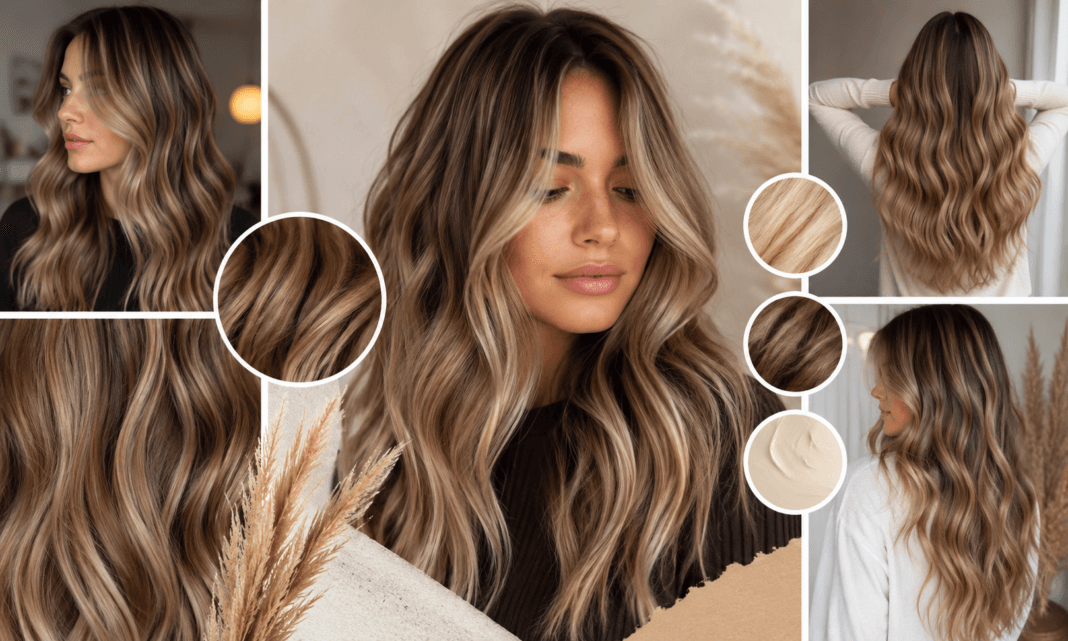

Not too blonde. Not too brunette. Bronde hair has become the answer for anyone who has spent years stuck choosing between the two — and in 2026, colorists are calling it the most requested shade in the salon chair. The appeal isn’t just the color itself; it’s how little work it takes to maintain.
This guide explains what defines this color, why it has become such a dominant request this year, and exactly what to ask for at your next appointment.
Editor’s Note: Going into our first appointment, we assumed this would basically mean “blonde highlights on brown hair” — a fairly generic description. What actually made the result look expensive rather than just okay was the colorist’s emphasis on root blending specifically, melting the color seamlessly into the natural base rather than starting the lighter tones abruptly partway down.
What Is Bronde Hair?
Bronde hair is, quite literally, a blend of brown and blonde tones designed to mimic natural, light-reflecting dimension rather than a single flat shade. According to celebrity colorists, the shade typically combines warm beige, caramel, and mocha tones for a result that sits squarely between the two more familiar categories.
Crucially, this isn’t about dramatic transformation. It’s about elevated, lived-in color that looks expensive without requiring obvious upkeep. The color works with your natural base rather than against it, which is a large part of why colorists describe it as flattering on nearly everyone regardless of starting shade.
Why Bronde Hair Is 2026’s Most Requested Color
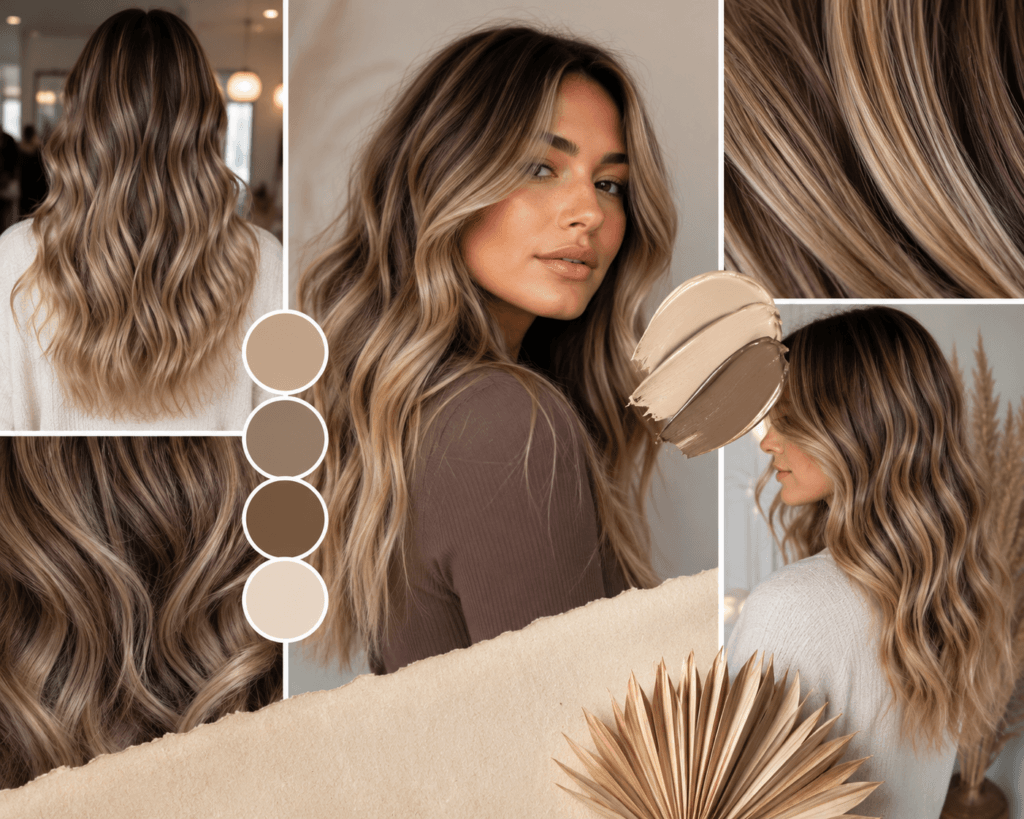
The practical case for this shade is strong. It grows out seamlessly, without the harsh demarcation line that fully bleached blonde or single-process color tends to leave. Techniques like root melting and tonal ribbons are increasingly replacing high-contrast highlights and all-over color, ensuring the result looks just as good months after the appointment as it did on day one.
There’s also a cultural and economic dimension to the timing. Colorists note that during periods of economic uncertainty, lower-maintenance color options tend to surge in popularity — and this shade delivers a similar visual richness to a full blonde or brunette transformation while requiring far less frequent salon visits.
The shade is also evolving stylistically for 2026, with some colorists predicting a move toward cooler, more neutral undertones inspired by fashion’s current wardrobe palette — khaki and taupe-leaning variations that dial down warmth for a more “organic” finish, particularly flattering for clients who want their hair to read as natural rather than visibly colored.
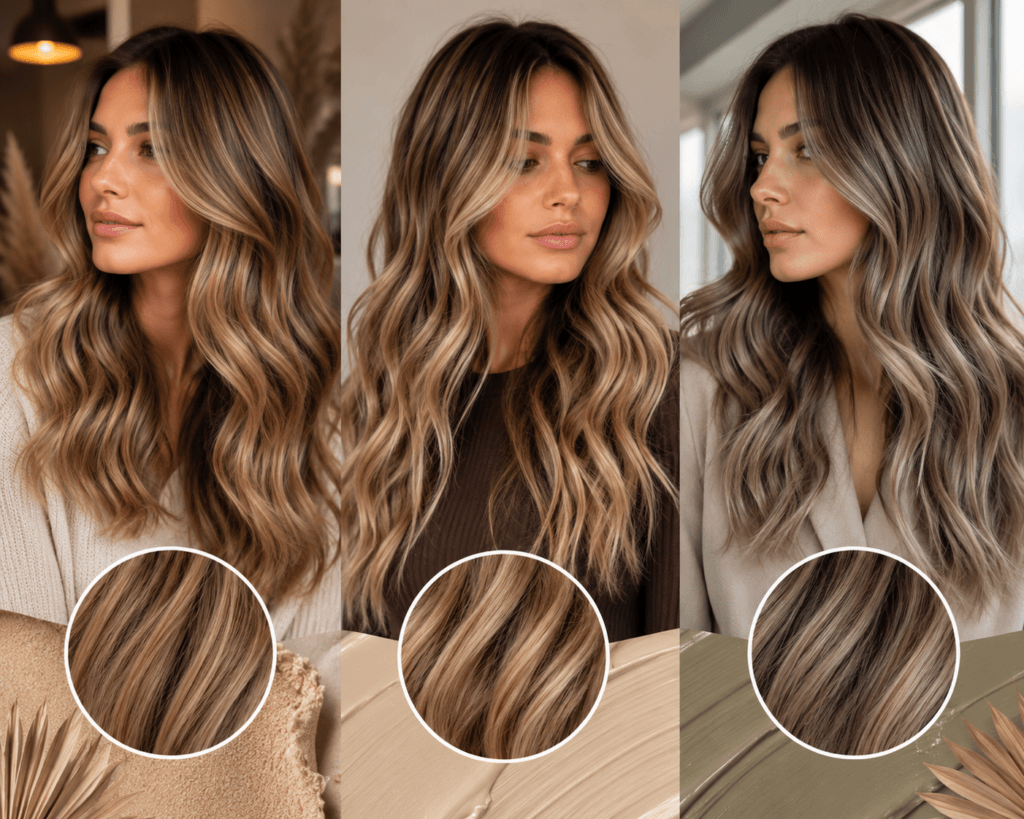
The 3 Most Requested Bronde Hair Variations for 2026
1. Suede Bronde
This variation combines warm beige, caramel, and mocha tones into what’s often described as a “teddy bear” shade — rich but effortless, with velvety, beautifully blended dimension that gives a distinctly summer-appropriate glow.
What to ask for: A dirty blonde base with warm beige highlights, plus caramel and mocha lowlights, emphasizing a seamless blend at the root for a low-maintenance grow-out.
2. Honey Bronde Balayage
For those wanting more visible dimension and longevity, a glossy balayage application creates depth through subtle highlights without heavily saturating or overly bleaching the hair the way traditional blonde balayage might.
What to ask for: Hand-painted highlights concentrated through the mid-lengths and ends, avoiding heavy bleaching at the root for a softer overall transition.
3. Khaki Bronde
An emerging, slightly cooler take that draws inspiration from neutral wardrobe tones rather than warm, sun-kissed shades. The addition of ashier, darker tones dials down the intensity of the blonde, lending the overall finish a more muted, lived-in effect.
What to ask for: A seamless lift with a color melt, requesting cooler, more neutral toner rather than warm gold or honey undertones.
Editor’s Note: A common concern is whether bronde will look “muddy” rather than dimensional. The detail that matters most, according to the colorists we spoke with, is avoiding heavy saturation — the goal is creating dimension between darker and lighter pieces through subtle highlights, not an all-over single-process color. If your colorist talks about saturating the whole head evenly, that’s a sign the result may read flatter than intended.
How to Maintain Bronde Hair Color
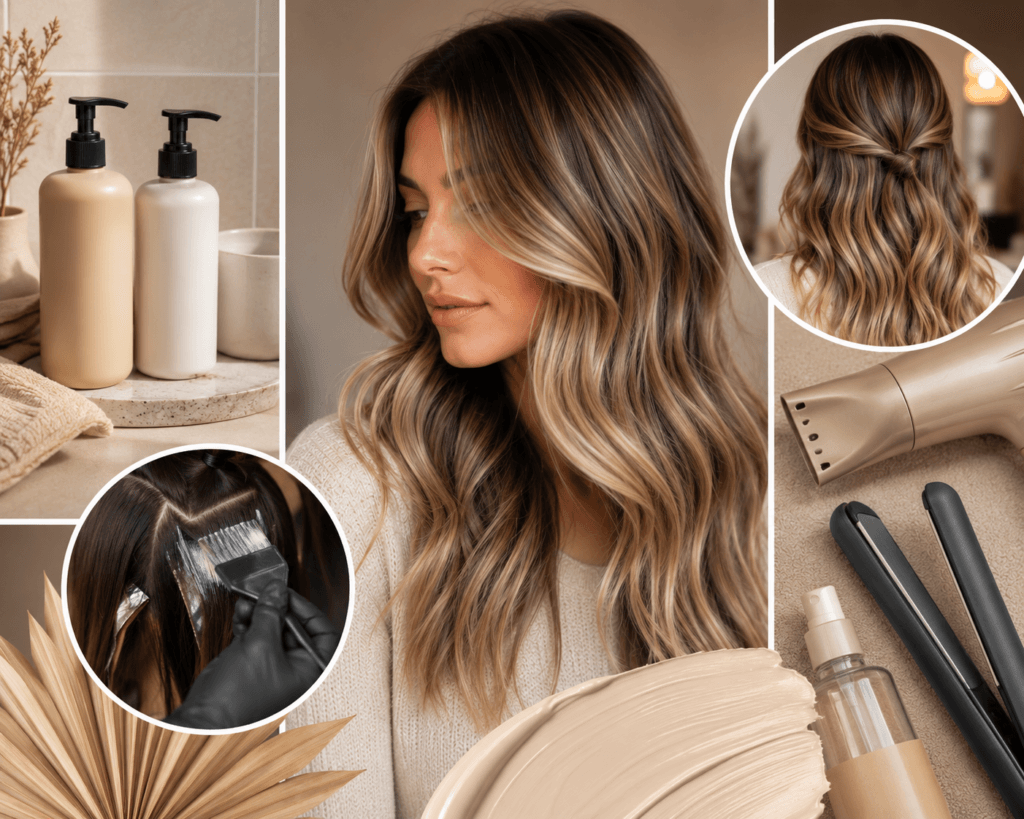
Use color-safe shampoo and conditioner. Sulfate-free formulas help preserve the blended tones longer between salon visits, since sulfates can strip warmth and dimension prematurely.
Schedule toning refreshes, not full recolors. Because this shade is built on subtle highlights and root melting rather than all-over color, most maintenance involves toner refreshes every several weeks rather than a full reapplication.
Protect hair from heat damage. Since this color often relies on a soft, glossy finish to look intentional rather than simply faded, heat protectant and regular trims help preserve that polished quality.
Bronde Hair vs. Other 2026 Color Trends
| Color Trend | Tone Family | Maintenance | Best For |
|---|---|---|---|
| Bronde | Blended blonde/brunette | Low, seamless grow-out | Most skin tones, low upkeep |
| Halo Hair | Strategic crown placement | Very low, 12-16 weeks | Subtle dimension, any base |
| Cherry Cola | Deep red-brown | Moderate, color fades | Brunettes wanting depth |
| Ethereal Blonde | Pale platinum | High, monthly toning | Dramatic, high-commitment |
Frequently Asked Questions About Bronde Hair
What is bronde hair?
Bronde hair is a blended hair color that combines brown and blonde tones into one cohesive, dimensional shade, designed to look like natural, light-reflecting hair rather than a single flat color.
Does bronde hair suit every skin tone?
Colorists generally agree it flatters a wide range of skin tones precisely because it isn’t a single extreme shade — the blended warm and cool tones can be adjusted to complement most undertones.
How often do I need to touch up bronde hair?
Because the color relies on root melting and subtle highlights rather than a harsh regrowth line, most people can go significantly longer between appointments than with traditional all-over blonde or single-process brunette color.
Can I go from fully blonde or fully brunette to bronde?
Yes, in both directions. Blondes typically add lowlights and a deeper root melt, while brunettes typically add subtle, well-blended highlights — both routes arrive at the same dimensional middle ground.
Final Thoughts: The Color That Works With You, Not Against You
Bronde hair has become 2026’s most requested color for a simple reason: it removes the pressure of an extreme choice. Rather than committing fully to blonde or brunette, this shade lets your natural color do most of the work, adding dimension rather than demanding a total transformation.
Save this guide, bring it to your next color appointment, and explore more hair color trends at egella.com