

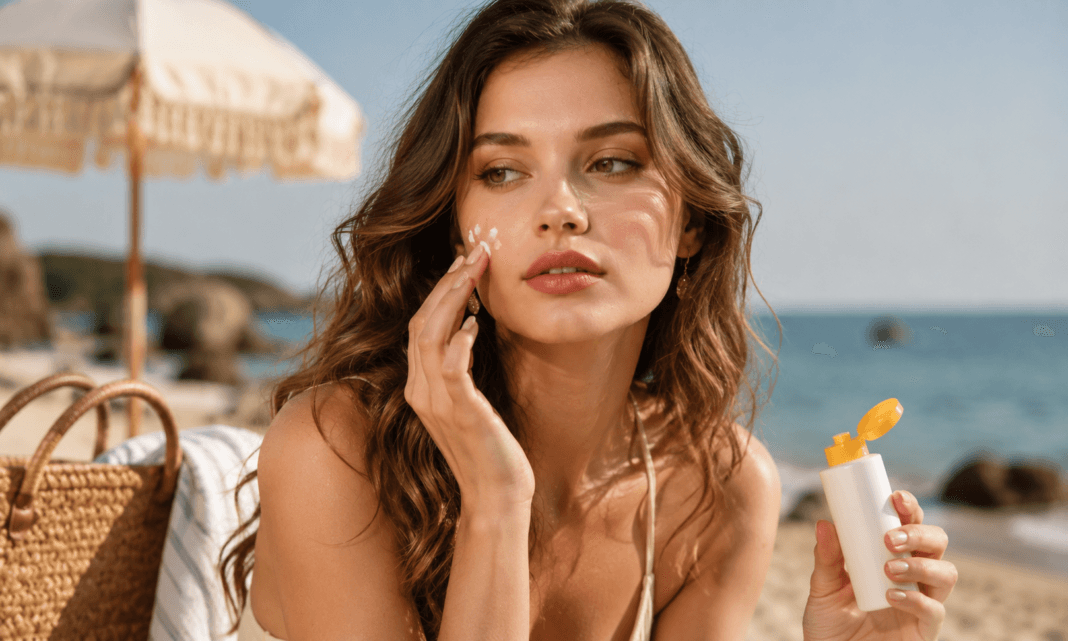

Most people apply sunscreen once in the morning and call it done. The problem: that single application stops working long before the day does. SPF reapplication has emerged as one of the defining skincare habits of summer 2026 — not a new product, but a genuine shift in how people think about sun protection throughout the day.
This guide covers why reapplication matters as much as the sunscreen itself, the two-hour rule dermatologists keep repeating, and the formats that actually make the habit realistic to maintain.
Editor’s Note: We’ll admit this habit took real effort to build. The morning application always felt complete — it wasn’t until we started actually timing ourselves that we realized how much of the day passed with essentially unprotected skin. Setting a recurring phone alarm sounds excessive, but it’s the only thing that consistently got us to actually reapply rather than just intend to.
Why SPF Reapplication Matters as Much as the Sunscreen Itself
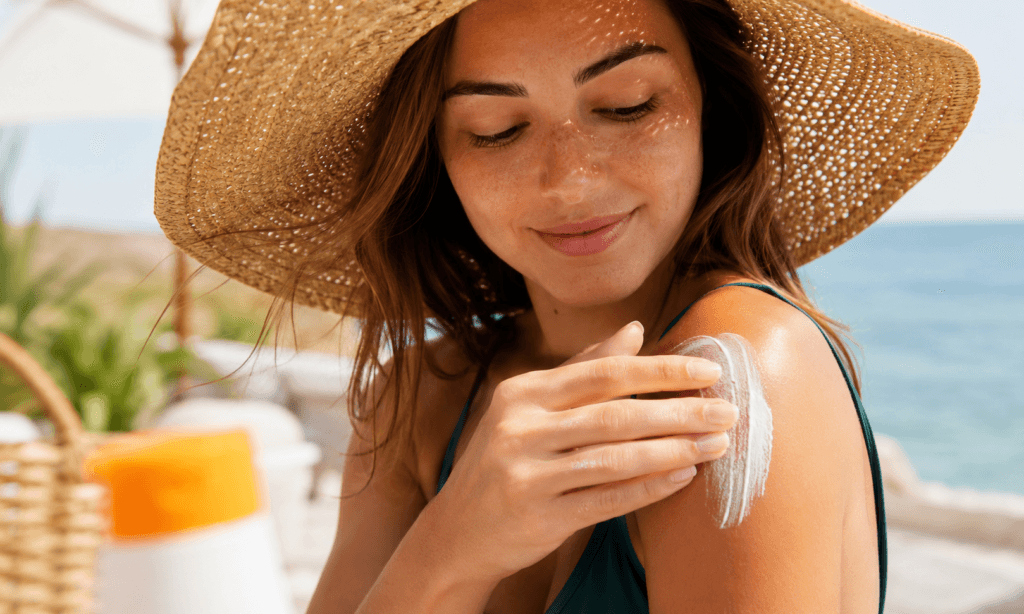
Sun protection factor measures how well a formula shields skin from UVB radiation, the primary cause of sunburn — but that protection isn’t permanent once applied. Sweat, oil production, and general environmental exposure all reduce a sunscreen’s effectiveness over the course of a day, and protection simply doesn’t last indefinitely after the first application.
The standard guidance is straightforward: no matter how high the SPF number, reapplication is required roughly every two hours when outdoors. Despite this being well-established advice, surveys suggest a large majority of people don’t reapply consistently, leaving skin considerably more exposed than they realize during the second half of any sunny day.
There’s also a quantity problem layered on top of the timing issue. Most people apply only a fraction of the amount used in official SPF testing, which means the actual protection achieved often falls well short of what’s printed on the bottle — making consistent, generous reapplication even more important than the number alone suggests.
Why This Is Defining Summer 2026 Specifically
Pinterest’s summer trend data shows this isn’t a niche dermatologist talking point anymore — it’s a mainstream search behavior. The platform reports that reapplication culture, SPF-first routines, and what it calls “bag-ready beauty” are defining the season, with searches for “glowy skin routine” rising 216% and “fluid sunscreen” up 110%.
This reflects a broader shift toward portable, repeatable routines rather than one-and-done products. Consumers are increasingly seeking quick, durable layers that can be refreshed throughout the day — particularly around active situations like sports weekends, festivals, and after-work outdoor plans, where a single morning application was never going to be enough in the first place.
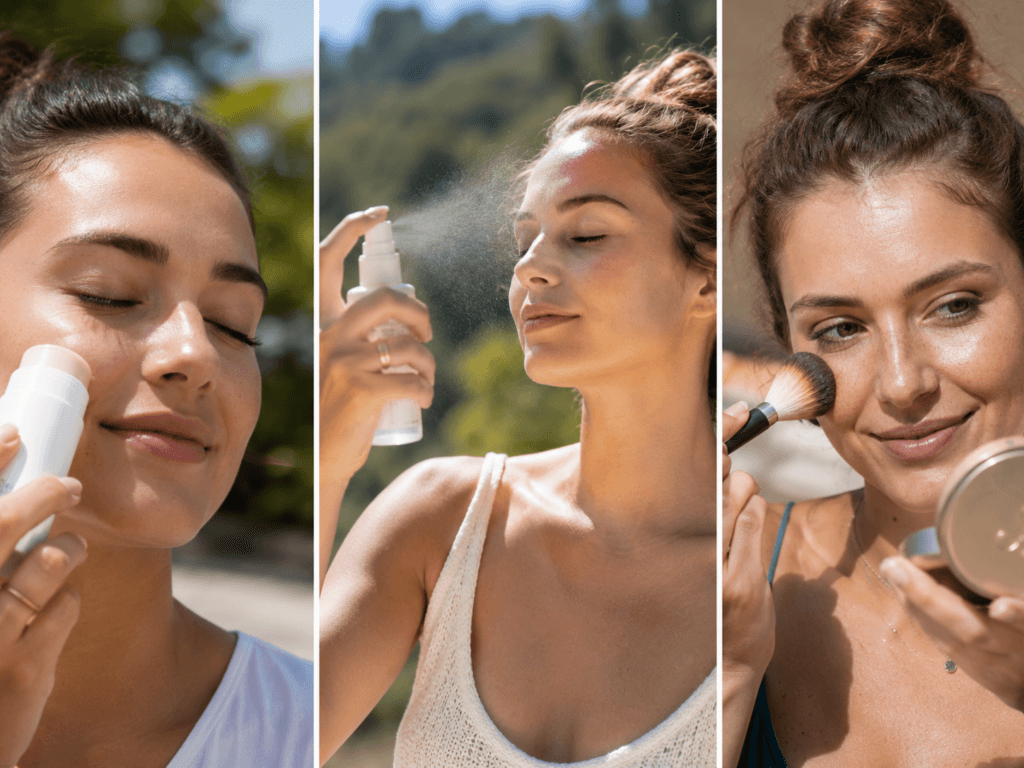
The product side has caught up too. SPF sticks, in particular, are growing quickly because they solve the two real obstacles to reapplication: portability and mess. A stick can go in a bag, be applied over makeup without a mirror, and used quickly during outdoor activity — removing the friction that kept most people from reapplying lotion-format sunscreen throughout the day.
The 3 Best Formats for Realistic Reapplication
1. SPF Sticks
Solid, twist-up sunscreen sticks apply quickly without product running between fingers, making them genuinely easy to use on the go — over makeup, at a child’s sports game, or mid-hike without needing a sink nearby.
2. SPF Mists
Lightweight spray mists refresh both skin and makeup simultaneously. Held six to eight inches from the face and sprayed until a visible sheen appears, then allowed to dry, mists are particularly useful for reapplying over a finished makeup look without disturbing it.
3. SPF-Infused Powders
Pressed mineral powders with SPF offer a touch-up option that doubles as oil control, making them a popular midday choice for anyone wanting to mattify shine while adding a layer of protection at the same time.
Editor’s Note: A frequent question is whether powder SPF actually provides meaningful protection on its own. Most dermatologists view it as a supplement to a proper morning application rather than a replacement for it — useful for topping up protection and reducing shine, but not enough alone if you’re spending real time outdoors.
A Practical SPF Reapplication Strategy by Situation
Outdoors all day: The two-hour rule is non-negotiable here. A water-resistant, higher-SPF formula paired with a stick or spray for easy midday top-ups is the most realistic approach.
Mostly indoors, occasional outdoor breaks: A single generous morning application may be sufficient, though it’s worth remembering that a meaningful percentage of UVA rays can penetrate standard window glass, so desks near windows or long car rides still warrant some midday attention.
Active or sweaty situations: Sweat degrades sunscreen faster than almost anything else. Reapplication should happen more frequently than the standard two-hour guideline during intense activity, ideally with a water-resistant formula from the start.
Who an SPF Reapplication Habit Is Best For
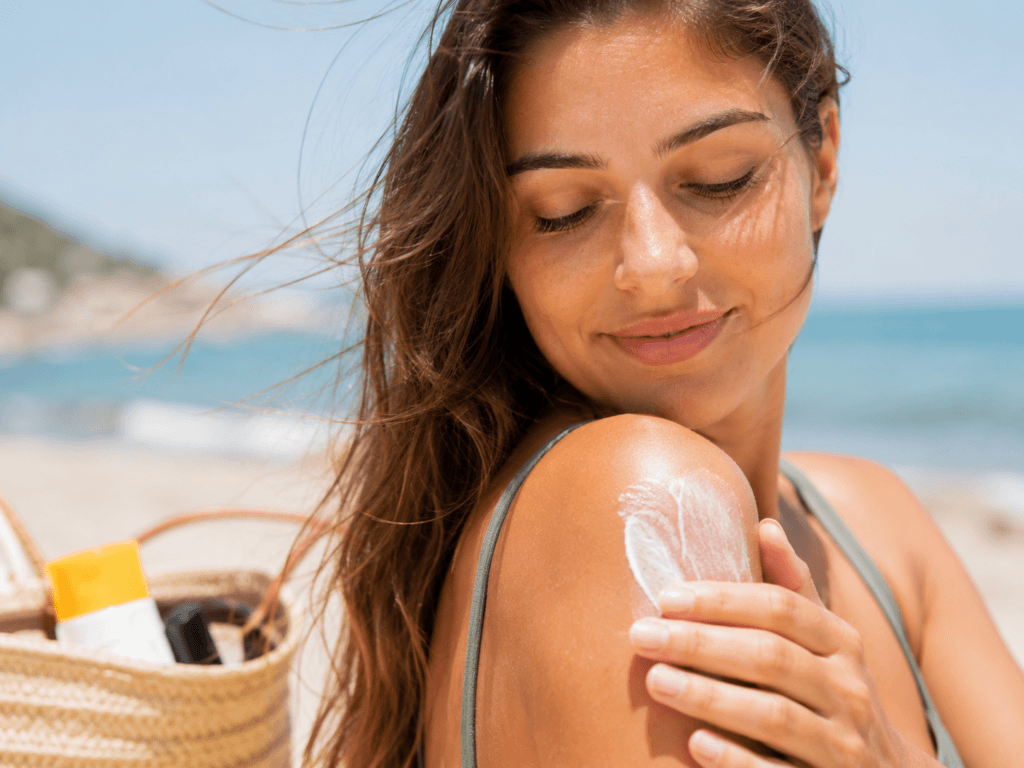
Best for: anyone who spends meaningful time outdoors during the day, people with fair or sun-sensitive skin, those already building broader Skin Barrier Repair-focused routines who want sun protection to match, and anyone who wears makeup but still wants genuine midday protection.
Less ideal for: people who are almost entirely indoors and away from windows all day, where a single thorough morning application may reasonably suffice, though even then, occasional reapplication remains the safer default.
If building this habit feels like one more thing to remember, starting with just one reapplication format — a stick kept in your bag — tends to be more sustainable than trying to overhaul your entire routine at once.
Frequently Asked Questions About SPF Reapplication
How often should I reapply sunscreen?
The standard guideline is every two hours when outdoors, regardless of the SPF number on the bottle. Sweating, swimming, or toweling off should prompt immediate reapplication rather than waiting for the two-hour mark.
Can I just reapply with SPF powder instead of cream or stick sunscreen?
Powder SPF is generally considered a supplement rather than a full replacement for liquid or stick sunscreen, since achieving full protection from powder alone would require an unrealistically heavy application.
Does makeup with SPF count as sun protection?
Any SPF built into makeup should be treated as a bonus rather than your primary defense, since reaching the labeled SPF number would require a much thicker layer of foundation than most people apply.
What’s the easiest way to remember to reapply?
A recurring phone alarm set for every two hours during outdoor time is one of the most consistently effective methods, since relying on memory alone tends to fail once the day gets busy.
Final Thoughts: Protection Is a Habit, Not a Single Step
The biggest shift behind SPF reapplication isn’t a new ingredient or formula — it’s a mindset change. Sun protection was never meant to be a single morning task; it’s an ongoing habit that needs to be refreshed as the day, the sweat, and the sun exposure add up. Building one realistic reapplication routine this summer may do more for long-term skin health than any single product purchase.
Save this guide, set your first reapplication reminder, and explore more skincare guides at egella.com